
A Deadpool PFP can function as a compact expression of online identity. Profile pictures have moved beyond basic headshots into visual signals of taste, mood, humor, and belonging. A carefully chosen avatar can establish personality before conversation begins, giving digital profiles a recognizable visual language that extends across different communities.
On Discord, TikTok, Instagram, and gaming communities, avatars have become part of everyday visual branding. Characters, expressions, colors, and compositions communicate personality before any message is read. A profile image can suggest humor, confidence, mystery, nostalgia, or seriousness while remaining visually consistent with the surrounding account.
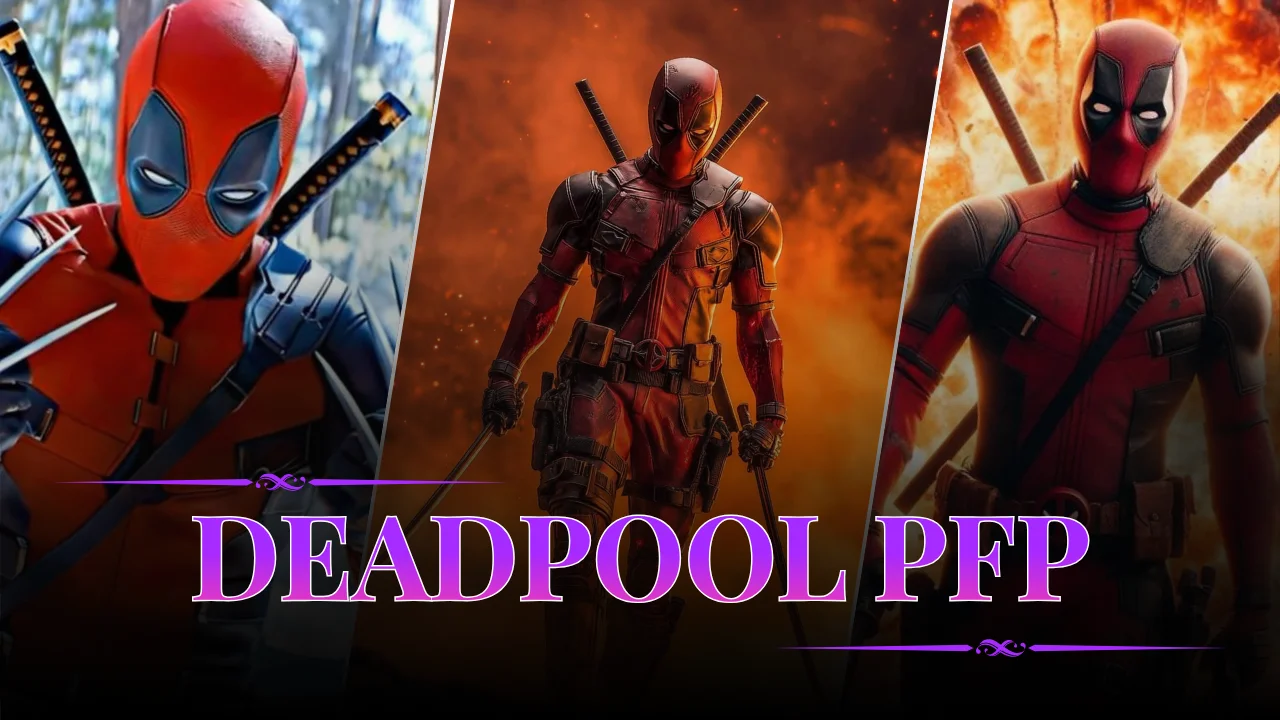
Deadpool suits today’s visually crowded culture through bold red, black contrast, graphic shapes, and expressive character art. Clean compositions can soften the intensity, while comic textures and cinematic shadows add depth. These qualities support aesthetic, anime, cute, funny, dark, and gaming-oriented interpretations without losing character recognition.
Table of Contents
- Deadpool PFP Aesthetic
- Deadpool PFP Anime
- Deadpool PFP Cute
- Deadpool PFP Cool
- Deadpool PFP Funny
- Deadpool PFP Sad
- Deadpool PFP Angry
- Deadpool PFP Dark
- Deadpool PFP Badass
- Deadpool PFP HD
- Deadpool PFP 4K
- Deadpool PFP Comic
- Deadpool PFP Marvel Rivals
- Deadpool PFP Christmas
- How To Choose The Right Deadpool PFP
- FAQs
- Conclusion
Deadpool PFP Aesthetic
Deadpool PFP Aesthetic designs reinterpret the character through controlled color and spacious composition. Muted crimson, charcoal black, soft shadows, and subtle grain create a more editorial appearance. Backgrounds often use blurred city lights, smoke, or simple gradients.
The restrained palette changes the emotional balance. Red becomes a controlled focal point. Black creates visual depth. Soft grain introduces tactile texture. Negative space keeps the mask recognizable. Gentle highlights prevent the portrait from feeling visually heavy.
Deadpool PFP Anime
Deadpool PFP Anime artwork blends the character’s comic identity with Japanese animation-inspired rendering. Clean outlines, expressive eyes, simplified shadows, and vivid red tones create a graphic portrait. Backgrounds may include speed lines, abstract shapes, or atmospheric gradients.
Anime treatment changes the character’s visual rhythm. Sharp linework improves facial definition. Simplified shading keeps the mask readable. Red provides immediate recognition. Expressive eyes introduce emotional variation. Graphic backgrounds suggest motion without overwhelming the focal point.
Deadpool PFP Cute
Deadpool PFP Cute interpretations soften the character through chibi proportions and rounded forms. Oversized eyes, simplified anatomy, small accessories, and softer red tones create a playful visual language. Pale backgrounds help separate the character from surrounding interface elements.
Rounded shapes reduce the original character’s aggressive visual character. Pastel accents soften the red-and-black palette. Small facial details introduce humor. Simple backgrounds maintain clarity. Compact proportions work especially well within circular avatar crops.
Deadpool PFP Cool
Deadpool PFP Cool designs rely on confident framing and controlled contrast. Deep black backgrounds, saturated red highlights, sharp reflections, and centered portraits create a contemporary appearance. The mask remains the primary focal point while secondary effects stay restrained.
Contrast establishes a strong visual hierarchy. Red identifies the character immediately. Black creates depth around the silhouette. Reflections add dimensionality. Angular framing introduces a graphic quality. Limited effects prevent the composition from becoming cluttered.
Deadpool PFP Funny
Deadpool PFP Funny styles emphasize exaggerated expressions, unusual poses, and comic timing. Wide eyes, tilted masks, expressive gestures, and playful props create visual humor. Bright red remains dominant, while simple backgrounds keep the joke immediately readable.
Humor depends on visual clarity. Exaggerated expressions create instant recognition. Simple framing makes the central joke easier to understand. Unexpected props add narrative context. Bright accents increase visual energy. Comic-inspired details reinforce Deadpool’s irreverent character identity.
Deadpool PFP Sad
Deadpool PFP Sad compositions explore the quieter side of the character. Desaturated red, cool gray shadows, rain effects, and isolated framing create a reflective atmosphere. The masked face often occupies only part of the composition.
Muted colors reduce the character’s usual visual energy. Cool shadows suggest emotional distance. Rain introduces soft texture. Empty space reinforces isolation. Subdued highlights preserve facial recognition while maintaining melancholy.
Deadpool PFP Angry
Deadpool PFP Angry designs focus on aggressive posture, hard shadows, and dramatic lighting. Strong crimson highlights surround the masked face, while black backgrounds increase visual intensity. Scratches, smoke, and sharp textures can suggest movement and conflict.
Visual tension comes from concentrated contrast. Deep shadows increase perceived seriousness. Red highlights create emotional pressure. Rough textures suggest physical intensity. Tight cropping makes the expression feel immediate. Sparse backgrounds prevent secondary details from weakening the focal point.
Deadpool PFP Dark
Deadpool PFP Dark compositions emphasize black space, restrained crimson, and atmospheric lighting. The character may appear partially concealed by smoke, shadows, or fragmented textures. Strong negative space gives the mask a quiet but recognizable presence.
Dark backgrounds create greater tonal depth. Crimson becomes more selective and meaningful. Shadows conceal secondary details. Smoke introduces soft movement around rigid shapes. Minimal highlights preserve recognition. The overall composition feels cinematic and restrained.
Deadpool PFP Badass
Deadpool PFP Badass designs emphasize confidence through strong posture, dramatic perspective, and concentrated lighting. Deep blacks surround the character, while bright crimson edges define the mask and costume. Weapons or action elements may appear without dominating the portrait.
Perspective creates a sense of visual authority. Strong edges define the character’s silhouette. Red highlights establish immediate recognition. Dark space increases perceived depth. Controlled action details suggest movement without overwhelming the face.
Deadpool PFP HD
Deadpool PFP HD imagery emphasizes clear outlines, detailed textures, and crisp character features. Fabric seams, mask textures, metallic elements, and subtle reflections become more visible. A controlled background prevents high-resolution details from competing with the face.
Resolution becomes useful when detail supports recognition. Sharp edges preserve the mask’s structure. Fine fabric textures create dimensional depth. Reflections add realism. Controlled highlights prevent excessive brightness. A simplified background protects the central focal point.
Deadpool PFP 4K
Deadpool PFP 4K compositions showcase highly detailed rendering, precise lighting, and crisp textures. Individual costume surfaces, mask stitching, reflections, and atmospheric particles become visible. Cinematic backgrounds provide depth while keeping the character visually dominant.
High resolution creates opportunities for subtle visual layering. Fine textures add physical realism. Precise highlights define curved surfaces. Dark shadows separate the figure from the background. Atmospheric particles introduce depth. Controlled composition ensures those details remain useful after resizing.
Deadpool PFP Comic
Deadpool PFP Comic designs preserve the visual language of printed comic art. Heavy ink outlines, halftone textures, speech-bubble motifs, and saturated red create a graphic appearance. Panel-inspired framing can make the avatar feel connected to traditional sequential art.
Comic textures introduce visual history and tactile character. Halftone patterns create depth without gradients. Thick outlines improve small-scale recognition. Saturated red strengthens character identity. Panel framing adds narrative context. Limited background detail keeps the composition readable.
Deadpool PFP Marvel Rivals
Deadpool PFP Marvel Rivals styles draw from contemporary multiplayer gaming aesthetics. Dynamic poses, vivid red accents, energetic lighting, and simplified environmental effects create a game-oriented composition. The character is usually positioned centrally for quick recognition.
Gaming artwork often depends on silhouette and motion. Strong lighting separates the character from the background. Red maintains immediate identity. Dynamic angles suggest action. Simplified environmental details prevent clutter. Centered framing keeps the portrait functional at avatar size.
Deadpool PFP Christmas
Deadpool PFP Christmas designs combine the character’s familiar red palette with seasonal elements. Santa hats, snow, warm lights, ornaments, and subtle green accents create a festive composition. Dark backgrounds can make the brighter decorations more visible.
Seasonal details work best when kept selective. Snow introduces soft texture. Warm lights create visual warmth. Green provides restrained color contrast. The familiar red costume connects naturally with the holiday palette. Simple decorations preserve character recognition.
How To Choose The Right Deadpool PFP
- Match brightness and contrast with the platform’s light or dark interface.
- Keep Deadpool’s mask centered for reliable circular avatar cropping.
- Select expressions that reflect the profile’s intended emotional tone.
- Maintain red, black, or neutral accents across different platforms.
- Avoid excessive details that disappear when the avatar becomes smaller.
- Choose backgrounds that keep the character clearly separated.
- Align the avatar’s style with the username and bio.
- Prefer recognizable facial details over crowded visual effects.
FAQs
Why do specific-style PFPs often look more professional?
Specific styles create visual consistency and make a profile appear intentionally curated. Clean composition, controlled color, and recognizable imagery usually communicate stronger aesthetic awareness.
Are stylized character PFPs appropriate across different platforms?
Stylized avatars can work across most social and gaming platforms when the imagery suits the surrounding community. Simpler compositions generally adapt more easily to professional or mixed-audience environments.
Can a specific PFP style influence engagement?
A recognizable avatar can make an account easier to identify during repeated interactions. Content quality remains the main factor, but visual consistency can support familiarity and recognition.
Should a Deadpool PFP match the profile’s content?
A matching visual theme creates stronger continuity between the avatar and published content. Comic, gaming, entertainment, or Marvel-focused profiles can particularly benefit from coordinated character imagery.
How often should a profile picture be changed?
Profile pictures can remain unchanged for long periods when they represent a stable identity. Seasonal changes or shifts in content direction provide reasonable moments for an update.
Conclusion
A carefully selected Deadpool PFP can transform a small avatar into a recognizable identity marker. Red-and-black contrast, balanced composition, expressive character framing, and intentional mood allow the character to adapt across Discord, gaming communities, Instagram, TikTok, and Pinterest.
Minimal backgrounds and clear silhouettes tend to remain useful as visual trends change. Different categories can explore humor, darkness, cinematic detail, nostalgia, or seasonal themes while preserving recognition. Through controlled color and composition, Deadpool PFP styles can create recognizable, polished, and visually aligned profiles.