
A Daredevil PFP can turn a small profile image into a recognizable expression of identity, taste, and mood. Online avatars have evolved beyond simple headshots. They now act as visual signals of personality, interests, belonging, and personal style across increasingly visual digital spaces.
Discord, TikTok, Instagram, and gaming communities have made visual branding through avatars routine. Profile images often communicate personality before any message is read. Color, expression, composition, and character choice establish an immediate tone. A carefully selected avatar can therefore influence how an account is visually understood.
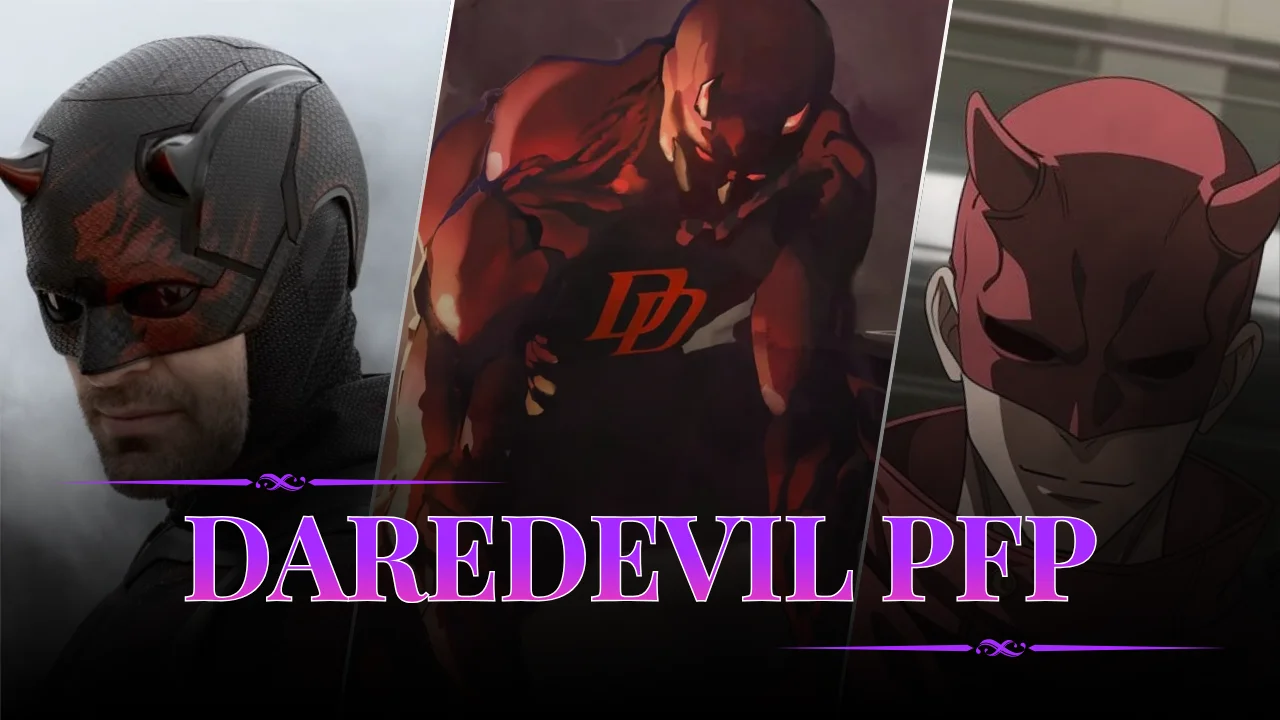
Daredevil fits this culture through strong reds, black shadows, masked silhouettes, and expressive character imagery. The palette works especially well within darker visual environments. Comic art, MCU interpretations, minimalist icons, and anime-inspired compositions offer different readings. A Daredevil PFP can therefore shift between serious, cute, dramatic, and atmospheric styles.
Table of Contents
- Daredevil PFP Aesthetic
- Daredevil PFP Cute
- Daredevil PFP Cool
- Daredevil PFP Funny
- Daredevil PFP Sad
- Daredevil PFP Angry
- Daredevil PFP Dark
- Daredevil PFP Badass
- Daredevil PFP HD
- Daredevil PFP 4K
- Daredevil PFP Black Suit
- Daredevil PFP Comic
- Daredevil PFP MCU
- Daredevil PFP Marvel Rivals
- Matt Murdock PFP
- Daredevil PFP Wallpaper
- Daredevil PFP Icon
- Daredevil PFP Red Suit
- Daredevil PFP Mask
- Daredevil PFP Anime
- How To Choose The Right Daredevil PFP
- FAQs
- Conclusion
Daredevil PFP Aesthetic
Red lighting, black shadows, masked portraits, and restrained backgrounds define the Daredevil PFP aesthetic. Strong silhouettes create immediate recognition. Deep crimson tones contrast with charcoal surfaces. Minimal compositions often place the masked face at the center, surrounded by controlled negative space.
The palette creates dramatic tonal contrast. Red establishes a strong visual anchor. Black adds depth and mystery. Masked features create visual symbolism. Sparse backgrounds keep attention on the character. Controlled highlights make the silhouette readable at small sizes.
Daredevil PFP Cute
Cute Daredevil PFP designs soften the character through rounded proportions, simplified masks, playful expressions, and lighter backgrounds. Chibi interpretations often enlarge the head and reduce body details. Small horns, red clothing, and expressive eyes preserve character recognition.
Rounded forms reduce visual severity. Softer shading changes the emotional tone. Bright highlights create a friendlier appearance. Simplified masks remain immediately recognizable. Small decorative details add personality without overwhelming the composition.
Daredevil PFP Cool
Cool Daredevil portraits emphasize relaxed poses, sharp silhouettes, red lighting, and controlled backgrounds. The character may appear in profile or with the mask partially shadowed. Strong facial framing keeps the composition focused. Dark environments create a restrained cinematic atmosphere.
The visual language depends on controlled contrast. Red accents create direction without overwhelming the frame. Shadowed areas add depth. Angular mask shapes provide structure. Negative space keeps the portrait readable. Relaxed posture communicates confidence without excessive visual effects.
Daredevil PFP Funny
Funny Daredevil PFP designs rely on exaggerated expressions, unusual poses, meme references, and playful edits. The recognizable red mask creates an immediate character cue. Cropped reaction faces often become the central focal point. Simplified backgrounds keep comedic details visually clear.
Humor changes the expected seriousness of the character. Exaggerated eyes or gestures create visual surprise. Awkward framing can reinforce the joke. Unexpected props add secondary meaning. Strong facial contrast helps reaction images remain readable at small sizes.
Daredevil PFP Sad
Sad Daredevil imagery uses muted reds, cool shadows, lowered expressions, and isolated compositions. Rain, smoke, or blurred city backgrounds can create additional emotional context. Close portraits often emphasize the mask, eyes, or facial silhouette rather than action.
Muted tones lower visual intensity. Deep shadows create emotional weight. Negative space suggests isolation. Soft highlights preserve facial structure. Desaturated reds create a restrained atmosphere. Sparse backgrounds allow the emotional reading to remain central.
Daredevil PFP Angry
Angry Daredevil compositions emphasize tense poses, strong shadows, aggressive lighting, and sharply angled framing. The red suit often dominates the palette. Masked expressions rely on posture and lighting because facial cues remain limited. Action backgrounds may add controlled movement.
High contrast increases visual intensity. Deep shadows sharpen the mask silhouette. Red highlights suggest urgency. Diagonal lines create movement. Strong posture communicates tension. Limited background detail keeps the emotional focal point clear.
Daredevil PFP Dark
Dark Daredevil compositions use black backgrounds, deep crimson lighting, heavy shadows, and limited highlights. The masked figure may emerge partially from darkness. City silhouettes, smoke, and narrow light sources can create depth without introducing excessive detail.
Dark palettes create a clear visual hierarchy. Crimson highlights become focal points. Black space increases separation around the mask. Heavy shadows add mystery. Restrained color keeps the composition cohesive. Subtle gradients prevent the background from appearing completely flat.
Daredevil PFP Badass
Badass Daredevil imagery emphasizes action poses, strong perspective, dramatic lighting, and the distinctive red suit. Combat scenes can create diagonal movement across the frame. Close portraits may use intense shadows and sharp highlights. The overall composition remains focused on character presence.
Dynamic lines create visual energy. Strong posture establishes confidence. Red surfaces contrast against dark environments. Bright highlights separate the figure from surrounding shadows. Weapon and architecture details add structure. Controlled cropping keeps the composition usable as an avatar.
Daredevil PFP HD
HD Daredevil portraits emphasize sharp mask details, clean suit textures, defined lighting, and polished facial structure. High-resolution artwork can reveal leather surfaces, stitching, and subtle shadows. Close compositions often place the masked face directly within the central focal area.
Resolution allows small visual details to remain clearer during cropping. Suit textures create depth. Mask contours provide recognizable structure. Controlled highlights separate red surfaces from dark backgrounds. Facial proportions remain easier to read. Fine details add richness without requiring decorative clutter.
Daredevil PFP 4K
Daredevil PFP 4K artwork supports detailed textures, smooth gradients, sharp mask contours, and cinematic backgrounds. High-resolution compositions may include city lights, rain, smoke, or architectural details. Central framing remains important for profile use despite the additional visual information.
Higher resolution gives cropping greater flexibility. Fine textures remain available before resizing. Smooth gradients create cleaner tonal transitions. Bright highlights remain distinct from dark backgrounds. Background details can provide atmosphere without becoming the main focal point. Strong composition remains more important than resolution alone.
Daredevil PFP Black Suit
Daredevil PFP Black Suit designs use charcoal clothing, black masks, muted lighting, and restrained backgrounds. The darker costume creates a different silhouette from the traditional red suit. Gray highlights help define the figure without introducing strong color contrast.
Black clothing creates subtle tonal layering. Small highlights reveal fabric structure. Shadows emphasize the mask and shoulders. Muted backgrounds preserve silhouette separation. Limited color creates a more understated identity. The overall mood feels grounded and restrained.
Daredevil PFP Comic
Daredevil PFP Comic designs emphasize ink lines, bold red areas, halftone textures, dramatic panels, and graphic shadows. Classic comic compositions may include speech bubbles or action lines. Modern comic art can use cleaner rendering with stronger digital contrast.
Comic textures introduce visual history. Ink lines provide structural clarity. Halftone patterns create tactile depth. Bold red areas establish immediate character recognition. Panel-inspired framing can suggest movement. Strong outlines preserve readability at smaller avatar sizes.
Daredevil PFP MCU
Daredevil PFP MCU designs draw from live-action interpretations of Matt Murdock and Daredevil. Realistic facial structure, cinematic lighting, textured suits, and urban backgrounds create a grounded appearance. Close portraits often emphasize the mask, eyes, or recognizable silhouette.
Realistic rendering changes the visual hierarchy. Skin texture introduces subtle detail. Cinematic shadows create depth. Urban backgrounds provide narrative context. Red lighting reinforces character recognition. Controlled framing prevents realistic details from becoming visually crowded.
Daredevil PFP Marvel Rivals
Daredevil PFP Marvel Rivals designs use game-inspired rendering, strong character silhouettes, saturated colors, and action-focused compositions. Gaming artwork may include stylized lighting, dramatic poses, and interface-inspired visual energy. The character remains centered for avatar readability.
Game art often balances realism with stylization. Strong silhouettes improve recognition. Saturated accents increase separation. Dynamic poses suggest movement. Detailed textures add depth. Clean cropping preserves the character’s identity within small circular displays.
Matt Murdock PFP
Matt Murdock PFP designs focus on the civilian identity rather than the masked hero. Red-tinted glasses, formal clothing, dark suits, and understated expressions often define the visual language. Urban interiors and muted backgrounds create a grounded setting.
Civilian imagery creates a quieter character reading. Glasses provide an immediate visual cue. Formal clothing suggests structure. Neutral backgrounds reduce distraction. Muted colors create realism. Subtle red accents connect the character to Daredevil without relying on the costume.
Daredevil PFP Wallpaper
Daredevil PFP Wallpaper compositions use wider environments, city skylines, rain, red lighting, and cinematic negative space. The character may occupy one side while architectural elements fill the remaining frame. These layouts can provide flexible cropping for different profile formats.
Wide compositions create stronger environmental context. Negative space allows flexible avatar cropping. Red city lights establish atmosphere. Vertical buildings create structural lines. The character remains the visual anchor. Background depth gives the image a cinematic quality.
Daredevil PFP Icon
Daredevil PFP Icon designs reduce the character to essential shapes, colors, and symbols. Horned masks, stylized letterforms, red silhouettes, and simplified facial structures are common. Clean backgrounds create strong separation between the icon and its surrounding interface.
Minimal icons depend on shape recognition. The horns create an immediate character reference. Red establishes brand association. Flat forms remain readable at tiny sizes. Negative space prevents visual crowding. Limited detail gives the icon a more timeless quality.
Daredevil PFP Red Suit
Daredevil PFP Red Suit artwork centers on the character’s iconic crimson costume, black shadows, masked face, and dramatic lighting. Red becomes the dominant visual field. Dark backgrounds provide separation. Metallic or textured suit details add depth around the focal point.
Red creates immediate visual recognition. Dark shadows prevent the palette from becoming overly bright. Suit texture adds physical depth. The mask creates a strong central shape. Controlled highlights emphasize shoulders and facial contours. Balanced cropping keeps the costume recognizable without overwhelming the face.
Daredevil PFP Mask
Daredevil PFP Mask designs isolate the horned helmet as the central subject. Red surfaces, black shadows, metallic highlights, and symmetrical framing create a compact composition. Some versions use a close crop, while others place the mask against a simple city or dark background.
The mask provides immediate symbolic recognition. Symmetry creates visual stability. Strong edges remain readable at small sizes. Red establishes character association. Shadows add depth around the horns. Minimal surroundings keep attention fixed on the central symbol.
Daredevil PFP Anime
Daredevil PFP Anime designs reinterpret the character through sharper linework, expressive eyes, simplified shading, and stylized proportions. Red masks remain recognizable. Backgrounds may use gradients, city lights, or abstract shapes. The result blends superhero symbolism with anime visual language.
Anime rendering increases emphasis on facial expression. Clean outlines preserve character shape. Simplified shading improves small-scale readability. Bright highlights separate the mask from dark backgrounds. Expressive eyes create additional emotional information. Stylized proportions make the character feel more graphic.
How To Choose The Right Daredevil PFP
- Match brightness and contrast with the platform’s light or dark interface.
- Crop tightly enough to keep the mask or face recognizable.
- Choose an expression that fits the profile’s overall emotional tone.
- Keep red, black, and neutral tones consistent across platforms.
- Avoid detailed backgrounds that disappear inside small circular avatars.
- Match the character style with the username and bio aesthetic.
- Check that important facial or mask details remain visible after resizing.
FAQs
Why do specific character PFPs often look professional?
Specific character PFPs can look polished when their composition, cropping, and contrast remain controlled. A clean Daredevil PFP can establish a recognizable identity without requiring excessive visual detail.
Are stylized PFPs appropriate for professional or public platforms?
Stylized avatars can work on public platforms when they match the account’s purpose and audience. Minimal character artwork is generally easier to integrate with a structured profile than heavily detailed imagery.
Can a specific PFP style affect engagement?
Profile imagery can influence recognition and the immediate visual impression of an account. Clear silhouettes, readable expressions, and strong contrast can help an avatar remain identifiable in crowded feeds.
Should a PFP match the account’s content theme?
A matching avatar can strengthen visual continuity between the profile image and its content. Marvel, gaming, comic, and entertainment accounts can benefit from character imagery that reflects their broader subject matter.
How often should a profile picture be changed?
There is no universal schedule for changing a profile picture. Keeping a recognizable avatar for longer periods can strengthen identity, while occasional changes can reflect evolving interests or aesthetics.
Conclusion
Daredevil imagery offers a flexible visual system built around red, black, shadow, and strong character symbolism. Balanced composition and intentional mood can transform a small avatar into a recognizable identity marker. The style works across Discord, Instagram, TikTok, gaming communities, comic fandoms, and broader Marvel spaces.
Minimal tones and strong silhouettes tend to remain visually relevant over time. Exploring comic, MCU, anime, cute, dark, and game-inspired categories allows different aspects of the character to shape a personal aesthetic. A carefully composed Daredevil PFP can create a recognizable, polished, and visually aligned profile.