

Profile pictures have become one of the clearest markers of online identity. A Mickey Mouse PFP can represent more than a familiar cartoon character; it can reflect humor, nostalgia, mood, and community. Modern PFP culture has moved beyond simple portraits into carefully edited visual signals that help people recognize personalities before conversations begin.
Across Discord, TikTok, Instagram, and gaming communities, avatars now function as small pieces of visual branding. A profile image appears beside usernames, comments, posts, messages, and game activity. This makes visual choices important because personality is often communicated before a single message is read. Familiar characters can create instant recognition and social context.
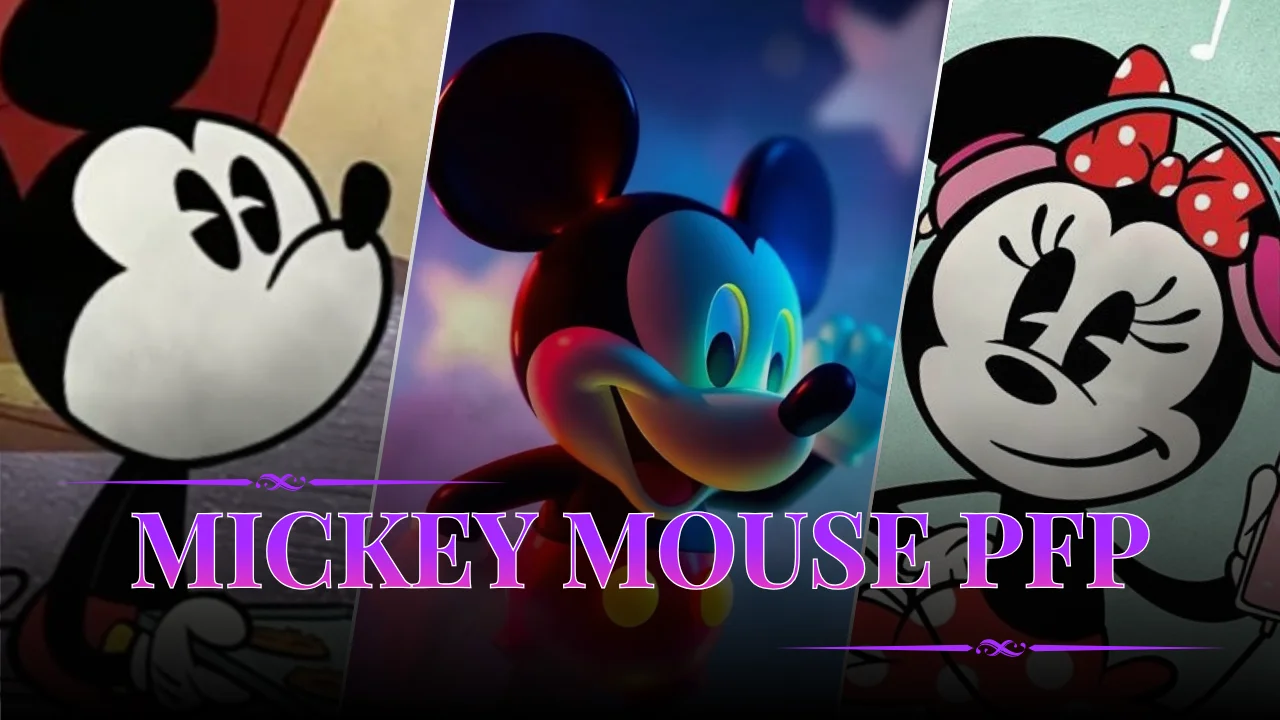
Among cartoon-based styles, Mickey Mouse imagery remains highly adaptable. A Mickey Mouse PFP can become cute, dark, funny, vintage, minimalist, or unsettling through simple changes in color and composition. Soft tones, negative space, balanced cropping, and controlled contrast make the style relevant to today’s visually crowded online culture.
Table of Contents
- Mickey Mouse PFP Aesthetic
- Mickey Mouse PFP Scary
- Mickey Mouse PFP Cute
- Mickey Mouse PFP 2026
- Mickey Mouse PFP Ideas
- Minnie Mouse PFP
- Mickey Mouse PFP Funny
- Mickey Mouse PFP TikTok
- Mickey Mouse PFP Wanna Play A Game
- Mickey Mouse PFP Discord
- Mickey Mouse PFP Meme
- Cursed Mickey Mouse PFP
- Cool Mickey Mouse PFP
- Mickey Mouse Christmas PFP
- Black And White Mickey Mouse PFP
- How To Choose The Right Mickey Mouse PFP
- FAQs
- Conclusion
Mickey Mouse PFP Aesthetic
Soft black, white, and muted red tones shape a polished Mickey Mouse PFP Aesthetic. Clean linework keeps the familiar silhouette readable. Vintage textures add gentle character. Minimal backgrounds create generous negative space. Subtle grain can make the image feel archival without becoming visually heavy. Muted gradients also create a softer modern finish.
The restrained palette gives the character a graphic quality. Strong tonal contrast keeps the face recognizable at small sizes. Rounded forms introduce softness beside sharper shadows. Retro textures suggest animation history without relying on clutter. A balanced focal point keeps the ears and face visually dominant. The result feels playful but composed.
Mickey Mouse PFP Scary
Dark lighting, distorted facial proportions, and empty backgrounds define a Mickey Mouse PFP Scary style. Black shadows often surround the face. Faded reds introduce tension. Grainy textures create an old-film effect. Cropped compositions can make familiar features appear unfamiliar. Deep gray backgrounds strengthen the unsettling atmosphere.
The visual tension comes from contrast rather than excessive detail. Wide eyes can create unease through exaggerated expression. Harsh shadows make the silhouette feel less friendly. Rough textures suggest damaged film or forgotten animation. Empty space increases psychological distance. The familiar character becomes symbolic of nostalgia turning strange. Muted highlights preserve facial recognition.
Mickey Mouse PFP Cute
Rounded shapes, soft highlights, pastel backgrounds, and gentle expressions define a Mickey Mouse PFP Cute style. Light pink, cream, baby blue, and warm gray can soften the familiar character. Simple framing keeps the face central. Small hearts or stars may add decoration without overwhelming the composition. Soft shadows maintain dimensionality.
The appeal depends on visual softness and controlled detail. Pastel tones reduce the intensity of black linework. Rounded forms make the character feel approachable. Tiny decorative elements create playful rhythm. Soft lighting adds warmth without flattening the silhouette. A clear focal point preserves recognition at small sizes. Gentle gradients can also support a softer emotional reading.
Mickey Mouse PFP 2026
Current Mickey Mouse PFP 2026 styles often combine classic character imagery with contemporary editing. High-resolution crops, subtle grain, muted gradients, and clean typography create updated compositions. Some designs use dark mode palettes. Others preserve vintage colors while applying modern contrast and sharper framing. Circular cropping remains central to the composition.
The 2026 approach favors clarity over excessive decoration. Crisp edges help the face survive small circular displays. Soft gradients add depth without distracting from the character. Nostalgic textures connect newer edits with older animation culture. Modern cropping makes familiar artwork feel more editorial. Controlled contrast supports both light and dark interfaces. Simple compositions also resist visual clutter.
Mickey Mouse PFP Ideas
Mickey Mouse PFP Ideas range from minimalist portraits to vintage animation frames and playful edits. Some compositions isolate the ears and face against plain backgrounds. Others use bold cropping, monochrome treatment, or soft gradients. Seasonal concepts can introduce Christmas colors or subtle themed details. Black and white treatments offer another restrained direction.
Good concepts begin with a clear visual direction. Minimal designs emphasize recognition. Vintage edits highlight texture and nostalgia. Funny versions depend on expression and timing. Dark versions use shadows to alter emotional meaning. Matching concepts rely on repeated colors, poses, or character relationships. Cool Mickey Mouse PFP designs often add sharper contrast and cleaner framing.
Minnie Mouse PFP
Minnie Mouse PFP designs often use bows, rounded shapes, pastel tones, and expressive poses. Pink, red, cream, and black create familiar visual associations. Soft lighting can make the composition feel gentle. Simple backgrounds keep the character prominent. Decorative hearts or dots provide small points of visual rhythm. Balanced cropping preserves facial clarity.
Minnie introduces a softer counterpoint to classic Mickey imagery. The bow creates an immediate secondary focal point. Pastel colors reduce the visual weight of dark outlines. Rounded forms reinforce warmth and friendliness. Small patterns add personality without competing with facial expression. Balanced spacing keeps the avatar readable when reduced. The contrast also works well beside darker Mickey designs.
Mickey Mouse PFP Funny
Mickey Mouse PFP Funny designs rely on unusual expressions, exaggerated poses, visual captions, or unexpected framing. Wide eyes and awkward crops can create comic timing. Bright colors support a lighter mood. Simple backgrounds keep the joke visually immediate. Meme-style editing often uses familiar imagery in unfamiliar contexts. Goofy Mickey Mouse PFP edits can push this effect further.
Humor depends on recognition and contrast. A serious expression beside a strange composition can create irony. Distorted proportions may exaggerate the comic effect. Sudden color changes can make ordinary scenes feel absurd. Minimal text prevents the image from becoming crowded. The strongest compositions remain understandable without lengthy explanation. Clear facial framing keeps the humor visible at small sizes.
Mickey Mouse PFP TikTok
Mickey Mouse PFP TikTok styles often use strong facial crops, bold contrast, and simple backgrounds. Circular framing makes the ears and face especially important. Red and black remain recognizable. Some edits add grain or glow. Others use meme expressions or darker treatments for stronger visual distinction. Clean edges help preserve the character after resizing.
TikTok profiles favor immediate visual recognition. High contrast helps small avatars remain visible beside busy interface elements. Cropped faces create stronger focal points than distant scenes. Dark backgrounds can separate the character from surrounding content. Subtle texture adds personality without reducing clarity. Expression often determines whether the profile feels playful, nostalgic, or strange. Minimal framing keeps the visual message direct.
Mickey Mouse PFP TikTok designs suit cartoon fans, meme creators, and casual accounts. The style can support both cheerful and darker content themes. Coordinated profile imagery may strengthen a recurring visual identity. Simple edits work well when videos already contain heavy visual effects. Consistent colors can also connect the profile image with thumbnails and banners. Scary Mickey Mouse PFP TikTok edits offer a darker alternative.
Mickey Mouse PFP Wanna Play A Game
Mickey Mouse PFP Wanna Play A Game styles often use dark backgrounds, unsettling expressions, and horror-inspired framing. Red accents can create visual tension. Heavy shadows obscure parts of the face. Grain and distortion suggest an altered animation frame. Tight cropping makes the character feel closer and less predictable. Sparse scenery strengthens the psychological focus.
The phrase-driven concept works through contrast with familiar childhood imagery. Friendly shapes become unsettling when lighting turns severe. Red highlights introduce danger without covering the entire composition. Distortion suggests instability and lost context. Negative space increases suspense around the central face. The design becomes a small visual narrative rather than a simple portrait. Cursed Mickey Mouse PFP edits often follow similar principles.
Mickey Mouse PFP Discord
Mickey Mouse PFP Discord designs benefit from bold silhouettes, centered faces, and controlled backgrounds. Black, red, white, and classic character colors remain readable in dark interface settings. Minimal edits reduce clutter. Vintage textures can add personality. Circular cropping should preserve the ears and facial expression. High contrast supports quick recognition.
Discord avatars appear beside messages, channels, and usernames. Recognition therefore depends on simple visual structure. Strong contrast separates the character from dark panels. Moderate detail keeps the image readable at small dimensions. Expression can influence how a username is perceived. A calm crop feels different from a chaotic meme edit. Consistent framing also supports community recognition.
Mickey Mouse PFP Discord styles appear in fandom servers, gaming groups, meme communities, and casual chats. Matching server themes can make character avatars feel more cohesive. Darker versions suit gaming and horror spaces. Cute versions work within softer community aesthetics. A consistent profile image can also make repeated participation easier to recognize. Matching PFP concepts can strengthen group identity.
Mickey Mouse PFP Meme
Mickey Mouse PFP Meme styles use familiar expressions, odd crops, reaction faces, and intentionally simple compositions. Classic colors often remain intact. Some edits add crude distortion or visual irony. Others rely on a single unusual frame. The design usually keeps the character large enough for immediate recognition. Strong expressions carry much of the visual meaning.
Meme imagery depends on speed of interpretation. Familiar characters reduce the time needed to understand the reference. Unexpected expressions create the main contrast. Sparse backgrounds keep attention on the face. Slight distortion can signal absurdity without destroying recognition. Strong framing helps the joke survive small profile displays. Funny Mickey Mouse PFP designs use many of these same principles.
Cursed Mickey Mouse PFP
Cursed Mickey Mouse PFP designs combine familiar character features with awkward proportions, strange expressions, and unsettling edits. Facial symmetry may be intentionally disrupted. Low-light backgrounds create visual discomfort. Muted colors can make the image feel older. Compression artifacts or grain may reinforce the deliberately imperfect appearance. Tight framing increases the sense of visual unease.
The discomfort comes from visual familiarity being slightly altered. Uneven eyes create immediate tension. Strange cropping removes expected context. Dull colors reduce the warmth associated with classic animation. Distorted textures suggest an unstable image source. Empty backgrounds leave more attention on the unusual facial structure. A Mickey Mouse Creepy PFP often uses comparable visual strategies.
Cool Mickey Mouse PFP
Cool Mickey Mouse PFP designs often use confident expressions, dark gradients, clean shadows, and controlled color accents. Black and charcoal backgrounds create depth. Blue, red, or gray highlights can add contrast. Sunglasses or graphic overlays may introduce attitude. Minimal framing keeps the character recognizable. Smooth tonal transitions create a modern finish.
The style depends on restraint rather than visual overload. Dark tones create a more mature reading of a familiar cartoon. Sharp highlights establish a clear focal point. Graphic accessories alter personality without hiding the face. Smooth gradients create depth around the silhouette. A clean crop keeps the composition strong at small sizes. Tuff Mickey Mouse PFP variations often use similar visual restraint.
Mickey Mouse Christmas PFP
Mickey Mouse Christmas PFP designs use red, green, cream, and warm gold tones around familiar character imagery. Santa hats, snow, ornaments, and soft lights provide seasonal cues. Gentle backgrounds prevent decorative elements from overpowering the face. Warm lighting creates a cozy visual atmosphere. Small details add seasonal texture without dominating the composition.
Seasonal design works through recognizable symbols and controlled repetition. Red introduces energy while cream softens the palette. Small snow details create texture without demanding attention. Warm highlights suggest indoor holiday lighting. The character remains the focal point through centered composition. Limited decoration keeps the avatar readable after circular cropping. Gold accents can add subtle visual depth.
Black And White Mickey Mouse PFP
Black And White Mickey Mouse PFP designs reduce the character to strong monochrome shapes, clear outlines, and controlled shadows. White space surrounds the face. Gray tones soften hard contrast. Vintage grain can add depth. Minimal backgrounds keep the silhouette immediately recognizable. The restrained treatment gives the character a quieter visual presence.
Monochrome treatment shifts attention toward form and expression. Dark ears create a stable visual frame. White highlights preserve facial detail. Gray gradients prevent the image from feeling completely flat. Texture can suggest old animation cells or printed photography. The limited palette also gives the avatar a quieter, more editorial character. Negative space strengthens the focal point.
How To Choose The Right Mickey Mouse PFP
- Match brightness and contrast with the platform’s light or dark interface.
- Choose a centered crop that keeps Mickey’s face and ears recognizable.
- Align the mood with the profile’s personality, content, and community.
- Maintain similar colors across social profiles for stronger visual consistency.
- Avoid tiny details that disappear when the avatar becomes circular.
- Match the avatar’s tone with the username and bio style.
- Use sharper contrast when visibility on gaming platforms matters.
- Consider seasonal changes without abandoning the overall visual identity.
FAQs
Why do minimal PFP styles look more professional?
Minimal PFPs usually remain clear at small sizes and create a stronger visual hierarchy. Controlled color, clean cropping, and limited decoration can make an account appear more intentional.
Are stylized avatars appropriate for professional social platforms?
Stylized avatars can work professionally when the composition remains clean and relevant to the account. A restrained cartoon treatment is generally easier to integrate than a heavily distorted meme image.
Can a specific PFP style affect engagement?
Profile imagery can influence recognition and the emotional tone associated with an account. A clear Mickey Mouse PFP may improve visual memorability, although engagement depends on many factors beyond the avatar.
Should a PFP match the account’s content theme?
A consistent relationship between the avatar and content can make an account feel more curated. Cartoon, gaming, nostalgic, or horror-focused content can each support different visual treatments.
How often should a profile picture be changed?
There is no fixed schedule for changing an avatar. Seasonal updates, major content changes, or shifts in visual identity can provide natural reasons for a new image.
Conclusion
A well-designed Mickey Mouse PFP turns a familiar cartoon silhouette into a compact identity marker. Calm palettes, balanced composition, controlled contrast, and intentional moods allow the character to work across Discord, Instagram, TikTok, Pinterest, and gaming communities. The same subject can appear cute, funny, vintage, dark, or minimalist through subtle design changes.
Minimal tones and recognizable forms tend to age well because they remain readable as platform interfaces change. Exploring aesthetic, monochrome, seasonal, meme, and character-based categories can gradually refine a profile’s visual language. With thoughtful cropping and consistent styling, a Mickey Mouse PFP can create a recognizable, polished, and visually aligned online profile.