
A Stranger Things PFP can become an immediate part of online identity. Profile pictures have moved beyond simple headshots into visual signals of taste, mood, interests, and belonging. An avatar may communicate personality before a username or message is noticed. This makes profile imagery an important part of everyday digital communication and social presentation.
Discord, TikTok, Instagram, and gaming communities have made visual identity increasingly normal. Avatars establish a recognizable tone before conversations begin. Character choices can suggest humor, nostalgia, confidence, mystery, or softness through a single image. Consistent profile imagery can also connect different accounts, allowing online identities to feel visually related across feeds, chats, and communities.
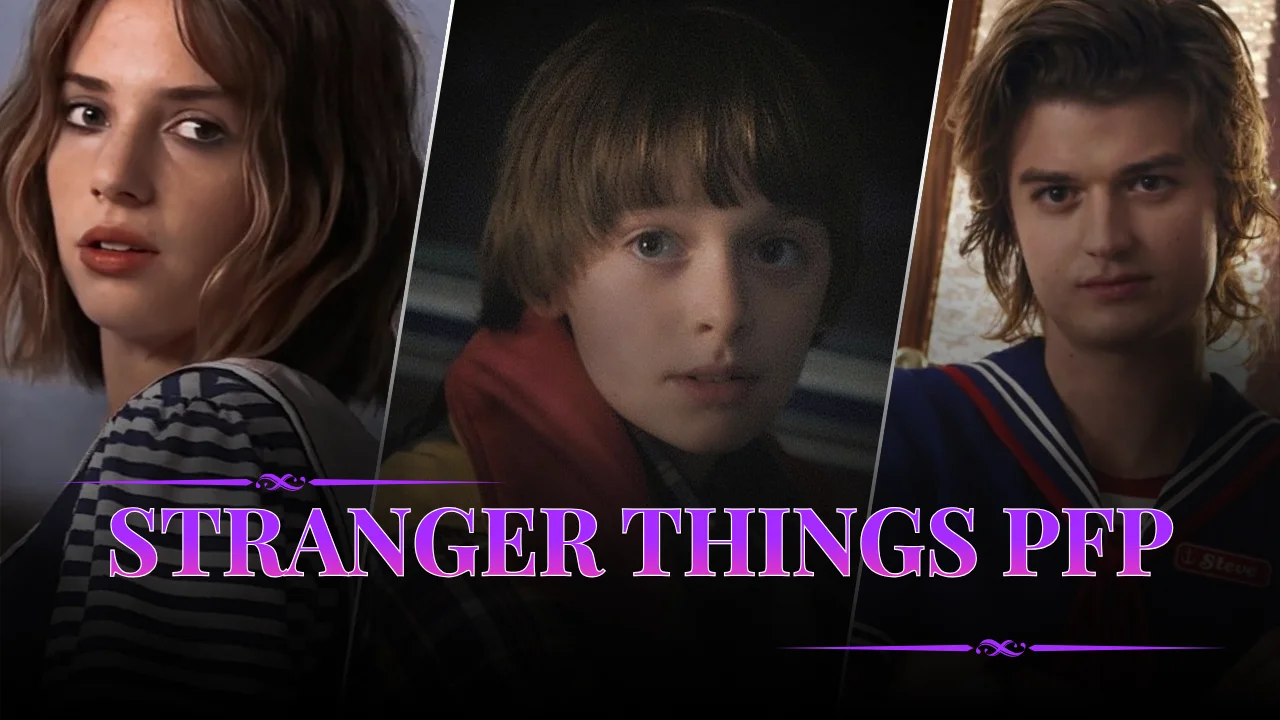
The Stranger Things PFP style fits this environment through nostalgic colors, expressive characters, cinematic lighting, and recognizable 1980s-inspired imagery. Neon accents, dark shadows, retro textures, and atmospheric compositions create several distinct directions. The aesthetic can move between funny, cool, group, minimalist, and cinematic categories while retaining the visual language associated with the series.
Table of Contents
- Robin Stranger Things PFP
- Funny Stranger Things PFP
- Dustin Stranger Things PFP
- Stranger Things Group PFP
- Custom Stranger Things PFP
- Cool Stranger Things PFP
- Stranger Things PFP Aesthetic
- Stranger Things PFP Steve
- Stranger Things PFP 4K
- Stranger Things PFP Eleven
- Stranger Things PFP Pinterest
- Stranger Things PFP Mike
- Stranger Things PFP Minimalist
- Stranger Things PFP Dark
- Stranger Things PFP Matching
- How To Choose The Right Stranger Things PFP
- FAQs
- Conclusion
Robin Stranger Things PFP
Robin imagery often uses muted blue, red, cream, and dark green tones. Her expressive facial features create a natural focal point within compact compositions. Retro lighting can reference the show’s period setting without overwhelming the character. Simple backgrounds preserve facial clarity and allow the recognizable hairstyle and expression to remain dominant.
The palette creates a slightly nostalgic visual temperature. Blue tones establish coolness around the face. Warm highlights introduce subtle contrast. Film-like grain can reinforce the period atmosphere. Soft shadows create depth without excessive drama. Expressive eyes provide the strongest emotional focal point.
Funny Stranger Things PFP
Funny Stranger Things PFP designs usually emphasize exaggerated expressions, unusual character moments, reaction faces, or recognizable comedic scenes. Bright crops can make facial expressions more noticeable. Simple backgrounds keep the humor centered on the character. Familiar poses allow the image to communicate its tone without additional text.
Comedy depends heavily on facial recognition and timing. Enlarged expressions create immediate visual emphasis. Unexpected crops can change the perceived context of familiar scenes. Strong tonal contrast helps expressions survive small displays. Limited background detail keeps the visual message easy to process.
Dustin Stranger Things PFP
Dustin artwork often features warm brown, red, yellow, and muted blue tones. His recognizable cap and expressive face provide strong visual identifiers. Retro backgrounds can include subtle film grain or soft neon illumination. Close-up compositions emphasize personality while keeping the avatar readable at smaller sizes.
Warm colors create a nostalgic emotional association. Yellow highlights add brightness without overpowering the face. Darker backgrounds strengthen silhouette definition. Textured overlays can suggest an older photographic style. The familiar cap provides a secondary focal point that supports character recognition.
Stranger Things Group PFP
Stranger Things Group PFP designs combine several recognizable characters within one balanced composition. Ensemble portraits often use cinematic lighting, layered positioning, and contrasting costume colors. Central characters receive stronger illumination while secondary figures occupy surrounding space. Clean spacing becomes important when many faces share a small image.
Group compositions depend on visual hierarchy. Larger faces naturally receive more attention. Background lighting can separate overlapping silhouettes. Limited color variation prevents the image from becoming chaotic. Negative space around the outer edges supports circular cropping. Strong contrast keeps important faces distinguishable at reduced sizes.
Group avatars suit friend circles, Discord servers, gaming teams, and fandom communities. Matching imagery can establish a shared identity without identical individual profiles. Ensemble artwork works especially well for themed group chats. Characters can also represent different members within a community. Cropped versions may be needed when the original composition contains many small faces.
Custom Stranger Things PFP
Custom Stranger Things PFP designs combine recognizable series elements with individualized color choices, crops, effects, or character focus. Some compositions emphasize neon backgrounds and cinematic shadows. Others use minimalist portraits with small retro details. The strongest designs retain character recognition while allowing the overall visual treatment to feel distinct.
Customization works through controlled visual variation. Color grading can shift the emotional temperature. Cropping can emphasize a specific expression. Background texture can suggest the show’s retro setting. Limited effects preserve clarity. Strong focal points prevent customization from becoming decorative clutter.
Cool Stranger Things PFP
Cool Stranger Things PFP compositions typically use dramatic shadows, neon highlights, strong facial expressions, and darker backgrounds. Blue, red, purple, and black create a cinematic palette. Character portraits often use three-quarter angles or close crops. Controlled lighting keeps the face dominant while maintaining a retro atmosphere.
Dark backgrounds increase contrast around illuminated faces. Neon accents introduce visual energy without requiring complex scenery. Three-quarter portraits create greater dimensionality than flat frontal crops. Red and blue lighting can suggest tension through opposing color temperatures. Minimal backgrounds keep the character recognizable in compact displays.
Stranger Things PFP Aesthetic
The Stranger Things PFP Aesthetic combines retro color grading, cinematic shadows, subtle grain, and recognizable character imagery. Red and blue lighting often create visual tension around the subject. Dark backgrounds provide negative space. Some designs use softer pastel treatments for a less dramatic interpretation of the series.
Retro grading gives ordinary portraits a period-inspired quality. Film grain introduces tactile texture. Neon highlights create focal points around faces and clothing. Negative space reduces visual competition. Controlled contrast preserves the character’s identity while supporting the broader aesthetic.
Stranger Things PFP Steve
Steve-focused avatars often emphasize his recognizable hairstyle, confident expressions, and retro clothing. Warm brown, cream, navy, and red tones create a period-inspired palette. Portrait crops keep attention on the face and hair. Backgrounds may use soft neon or dim cinematic lighting to reinforce the series setting.
Warm tones produce a nostalgic visual character. Darker edges help frame the face. Hair becomes an important silhouette feature within small displays. Red accents create controlled contrast against navy or brown. Soft lighting prevents the portrait from becoming excessively dramatic.
Stranger Things PFP 4K
High-resolution Stranger Things artwork preserves details in facial features, clothing, hair, lighting, and environmental textures. A 4K composition can show stronger tonal depth on large displays. Cinematic backgrounds may contain neon signs, atmospheric shadows, or retro scenery. However, the central character still requires strong framing for profile use.
Resolution does not automatically improve composition. Fine details can disappear when an avatar is reduced. Clear facial contrast remains more important than background complexity. High-resolution textures work best when organized around a central focal point. Strong silhouettes maintain recognition after resizing. Balanced cropping also prevents important details from being cut away.
Stranger Things PFP Eleven
Eleven portraits often rely on red, blue, pink, and muted neutral tones. Her facial expression provides a strong focal point, especially in close-up compositions. Dramatic lighting can emphasize the eyes and surrounding shadows. Softer artwork may use pale backgrounds and restrained gradients for a quieter interpretation.
Red creates visual intensity around otherwise muted palettes. Blue shadows provide tonal separation. Close framing makes facial expression central to the composition. Soft gradients reduce background competition. Darker treatments can create a more cinematic emotional atmosphere without adding excessive detail.
Stranger Things PFP Pinterest
Pinterest-oriented Stranger Things PFP designs often emphasize composition, muted color grading, retro textures, and carefully arranged negative space. Collage-style layouts may combine character portraits with film-inspired details. Soft beige, faded red, dusty blue, and charcoal tones create a vintage visual language. Clean framing keeps the image suitable for profile displays.
Pinterest aesthetics often depend on restrained color relationships. Desaturated tones create a more editorial appearance. Film grain adds tactile character without overwhelming the subject. Negative space supports simple composition. Small retro details provide context while maintaining visual hierarchy. Consistent color grading makes different images feel part of one collection.
Stranger Things PFP Mike
Mike-focused avatars commonly use dark blue, brown, muted red, and warm neutral tones. His character imagery often benefits from thoughtful expressions and cinematic framing. Retro clothing and period-inspired backgrounds reinforce the series setting. Close portraits provide the clearest visual result for profile use.
Muted colors create a reflective emotional tone. Blue shadows establish depth around the face. Warm highlights prevent the composition from becoming visually cold. Background simplicity strengthens the character’s expression. Subtle grain can reinforce the nostalgic period setting.
Stranger Things PFP Minimalist
Minimalist Stranger Things avatars reduce the visual field to one character, a small symbol, or a restrained color arrangement. Backgrounds remain simple and often contain only one gradient or texture. Black, cream, muted red, and blue can reference the series without reproducing an entire scene. Strong silhouettes become central to the design.
Minimalism improves clarity through subtraction. Fewer elements create stronger focal hierarchy. Negative space gives facial features more visual weight. Limited colors create consistency across different profile images. Simple geometry can also improve recognition after resizing. The aesthetic therefore depends on proportion, spacing, and tonal balance.
Stranger Things PFP Dark
Dark Stranger Things PFP artwork uses deep shadows, black backgrounds, muted colors, and selective red or blue highlights. Characters may appear against atmospheric environments inspired by the series’ supernatural themes. Cinematic lighting creates separation between the subject and background. The strongest compositions retain visible facial features despite the low overall brightness.
Dark palettes create a restrained visual atmosphere. Shadows reduce competing information. Red highlights introduce controlled tension. Blue illumination creates cooler depth around the subject. Limited background detail protects the focal point. Strong silhouettes help the image remain identifiable after reduction.
These avatars suit gaming profiles, Discord servers, fandom accounts, and dark-themed social feeds. The palette naturally complements dark interfaces. Cinematic portraits can establish a mysterious profile tone. Red-and-black treatments work with bold usernames. Blue-gray versions create a quieter alternative. Clear facial framing prevents excessive darkness from reducing recognition.
Stranger Things PFP Matching
Matching Stranger Things avatars use related character portraits, colors, poses, or background treatments across multiple profiles. Pairs may feature complementary characters while groups can distribute several figures among members. Consistent framing creates visual unity. Similar lighting helps separate images while maintaining the shared theme.
Matching designs work through repetition and contrast. Related colors make separate avatars feel connected. Different character expressions preserve individuality. Equal cropping creates visual balance across profiles. Complementary poses can create continuity when avatars appear side by side. Simple backgrounds make the relationship between images easier to recognize.
Matching avatars are common in Discord friend groups, gaming teams, fandom communities, and social accounts. They can establish a shared identity without requiring identical images. Character pairs can reflect friendships or favorite dynamics. Group profiles may use coordinated palettes rather than repeated artwork. Consistent designs can also make a server or community visually recognizable.
How To Choose The Right Stranger Things PFP
- Match brightness and contrast with the platform’s light or dark interface.
- Choose close crops that preserve faces within circular profile displays.
- Align character expression with the account’s overall emotional tone.
- Keep retro colors consistent across profiles, banners, and visual elements.
- Avoid detailed backgrounds that become unclear after image resizing.
- Match avatar styling with the username, bio, and content direction.
- Select recognizable characters when profile images appear at tiny sizes.
- Use matching designs when building coordinated friend or gaming profiles.
FAQs
Why do minimalist PFPs often look more professional?
Minimalist avatars use clear focal points, controlled contrast, and limited visual elements. This makes the profile image easier to recognize and visually consistent across different interfaces.
Are stylized character PFPs suitable for every platform?
Stylized avatars work naturally on Discord, TikTok, Instagram, gaming platforms, and fandom communities. More formal environments may have different expectations for profile imagery and personal branding.
Can a specific PFP style affect engagement?
A recognizable profile image can improve visual recall during repeated interactions. Engagement itself depends on many factors, including content quality, audience behavior, platform algorithms, and community context.
Should a Stranger Things PFP match the account’s content?
Visual alignment can make a profile feel more intentional and coherent. Character, color, and mood choices can reinforce content themes without requiring identical imagery throughout the account.
How often should a profile picture be changed?
Profile pictures can remain unchanged when recognition and consistency are priorities. Seasonal artwork or changing interests may provide reasonable occasions for a visual update.
Conclusion
A carefully composed Stranger Things PFP can turn a small avatar into a recognizable identity marker. Retro colors, balanced composition, cinematic lighting, and intentional character choices work across Discord, Instagram, TikTok, Pinterest, gaming communities, and fandom spaces. Different visual treatments allow the same series to support funny, cool, minimalist, dark, and nostalgic identities.
Minimal palettes and strong silhouettes tend to remain readable as visual trends change. Character portraits, group compositions, seasonal treatments, and cinematic styles provide room for gradual refinement. Exploring these categories can help establish a consistent visual language across platforms. A thoughtfully selected Stranger Things PFP can therefore remain recognizable, polished, and visually aligned over time.