
Online identity often begins with a profile picture. A Dante PFP can turn a small digital avatar into a clear visual signal of taste, mood, and personality. Profile images have evolved beyond simple headshots. They now function as compact pieces of visual identity across social platforms, communities, games, and messaging spaces.
Discord, TikTok, Instagram, and gaming communities have made avatar-based identity increasingly normal. A profile image often communicates personality before a message is read. Color, expression, framing, and character choice establish an immediate visual tone. This makes profile pictures part of everyday digital communication rather than simple decorative elements.
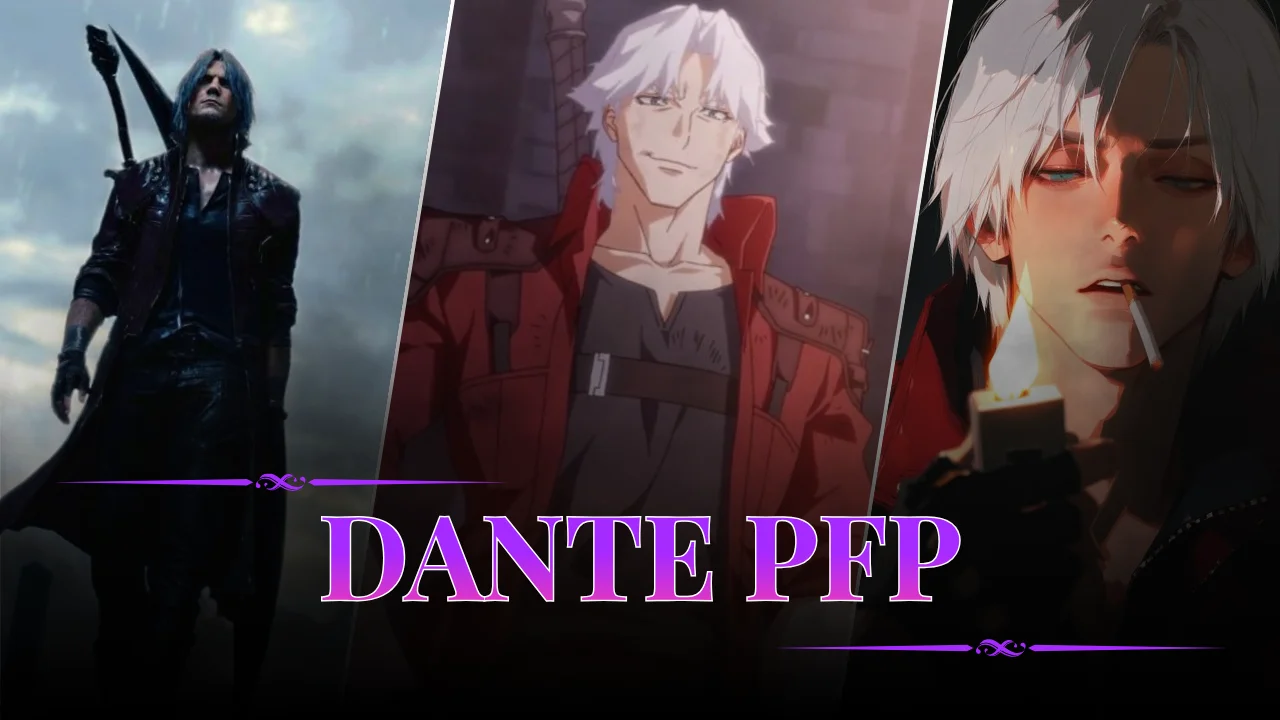
Character-based avatars fit naturally into this visual culture because they combine recognition with personal style. Dante brings sharp contrasts, expressive poses, dark palettes, and varied emotional tones. A Dante PFP can move between anime-inspired, funny, cute, monochrome, and darker compositions while retaining a recognizable character identity.
Table of Contents
Dante PFP Aesthetic
Red-black palettes, silver-white hair, leather textures, and dramatic shadows define the Dante PFP aesthetic. Portraits often use centered framing, controlled highlights, and dark backgrounds. Subtle gradients create depth while preserving Dante’s recognizable silhouette and facial features.
The palette creates strong tonal contrast. Red introduces visual energy without dominating every detail. Black backgrounds create negative space around the character. Silver hair becomes a natural focal point. Leather textures add visual weight. Controlled lighting gives the composition a cinematic quality.
Dante PFP Anime
Anime-inspired Dante portraits emphasize expressive eyes, sharp facial lines, silver hair, and stylized shading. Clean outlines separate the character from darker backgrounds. Some compositions use close-up framing, while others include swords, coats, or simplified environmental details.
Anime rendering gives facial expressions greater visual clarity. Strong linework preserves recognition at small sizes. Cel shading creates readable planes across the face. Hair highlights establish a bright focal point. Simplified backgrounds prevent competing details. The result feels character-driven rather than purely decorative.
Dante PFP Cool
Cool Dante portraits usually rely on relaxed expressions, confident poses, sharp jackets, and restrained backgrounds. Red accents contrast with charcoal tones. Side lighting can define the face while keeping the surrounding composition subdued. Sunglasses, weapons, or coat details may add controlled visual character.
The strongest compositions avoid excessive decoration. A relaxed pose creates confidence without requiring exaggerated effects. Dark framing keeps attention on facial structure. Red accents create directional emphasis. Metallic details add texture. Balanced negative space keeps the image readable when reduced.
Dante PFP Cute
Cute Dante PFP designs soften the character through rounded proportions, playful expressions, lighter colors, and simplified details. Chibi interpretations often enlarge the head and reduce body complexity. Pastel backgrounds or small decorative elements can contrast with Dante’s familiar red and black clothing.
The contrast creates a playful reinterpretation. Rounded forms reduce the character’s visual severity. Softer shading changes the emotional reading. Small facial expressions become more important. Reduced detail improves clarity at avatar size. Familiar clothing preserves character recognition despite the altered style.
Dante PFP Funny
Funny Dante portraits focus on exaggerated expressions, unusual poses, meme references, and unexpected visual situations. Familiar clothing and hair keep the character identifiable. Cropped reaction faces can create strong focal points. Simplified backgrounds usually help the humor remain visually immediate.
Comedy depends heavily on expression and timing. Enlarged eyes can change the perceived emotion. Awkward poses introduce visual tension. Unexpected props create secondary jokes. Minimal backgrounds prevent distractions. Strong facial contrast allows the humorous element to remain readable in small formats.
Dante PFP Sad
Sad Dante imagery uses lowered expressions, cool shadows, muted backgrounds, and isolated compositions. Blue-gray tones can replace stronger reds. Close framing emphasizes the eyes and face. Rain, smoke, or empty environments may reinforce the sense of emotional distance.
Muted colors reduce visual intensity. Soft shadows create a quieter atmosphere. Negative space can suggest isolation. Downward lighting changes facial perception. Sparse backgrounds allow emotion to remain central. Small environmental details can reinforce the narrative without overwhelming the portrait.
Dante PFP Angry
Angry Dante compositions emphasize narrowed eyes, tense expressions, stronger shadows, and dynamic framing. Red lighting can increase perceived intensity. Weapons or motion effects may occupy secondary areas. Cropped portraits often place the face close to the viewer for stronger visual impact.
High contrast strengthens emotional readability. Deep shadows sharpen facial structure. Red highlights suggest urgency and movement. Diagonal compositions introduce directional energy. Strong outlines maintain clarity. The overall effect feels active rather than relaxed.
Dante PFP Dark
Dark Dante compositions use black backgrounds, deep crimson accents, heavy shadows, and limited highlights. The character may appear partially obscured by darkness. Strong silhouettes create structure. Minimal environmental detail keeps attention concentrated around the face, coat, or weapon.
Darkness changes the hierarchy of the composition. Bright hair becomes a natural focal point. Crimson accents guide the eye across the frame. Heavy shadows add depth without requiring complex backgrounds. Black space creates visual breathing room. Restrained color use produces a more cohesive appearance.
Dante PFP Badass
Badass Dante imagery emphasizes action poses, weapons, long coats, dramatic lighting, and strong perspective. Sword-focused compositions create directional movement. Low camera angles can increase the character’s visual presence. Dark environments provide contrast against silver hair and red clothing details.
Dynamic framing creates a stronger sense of movement. Diagonal lines guide attention through the image. Bright highlights separate the character from darker surroundings. Weapon shapes add structural geometry. Strong posture communicates confidence. Controlled contrast prevents action details from becoming visual clutter.
Dante PFP HD
HD Dante portraits emphasize sharp facial details, clean hair strands, polished clothing textures, and controlled lighting. Higher visual clarity reveals small elements such as leather surfaces and metallic accessories. Close portraits benefit most from careful detail and balanced contrast.
Resolution matters because fine details can disappear at smaller sizes. Strong focal areas remain readable after cropping. Hair highlights provide immediate recognition. Facial contours create depth. Texture adds realism without needing a complicated background. Controlled sharpening keeps edges defined.
Dante PFP 4K
4K Dante artwork allows fine textures, sharp hair details, layered shadows, and polished environmental elements to remain visible. Cinematic compositions may include smoke, sparks, weapons, or architectural backgrounds. Strong central framing still keeps the character suitable for profile use.
High resolution provides more flexibility during cropping. Small details remain available for larger profile displays. Subtle gradients appear smoother. Metallic surfaces gain more visual depth. Background effects can remain separated from the character. The final image can therefore support both close portraits and wider compositions.
Dante Black And White PFP
Dante Black And White PFP designs remove most color and rely on grayscale contrast, linework, shadows, and bright highlights. Silver hair blends naturally into the monochrome palette. Dark coats and backgrounds establish strong tonal separation. Minimal compositions often feel editorial and restrained.
Monochrome treatment shifts attention toward structure. Facial expression becomes more important without color cues. Highlights define hair and skin. Deep blacks create visual weight. Gray transitions soften harsh boundaries. The absence of red makes the character feel more graphic and timeless.
Dante PFP DMC3
Dante PFP DMC3 designs reflect the character’s younger appearance, longer silver hair, red coat, and distinctive early-series styling. Many compositions emphasize the game’s darker gothic environments. Sword details and dramatic shadows reinforce the era’s visual identity.
The DMC3 design has a recognizable silhouette. The long coat creates strong vertical structure. Silver hair contrasts against darker settings. Red clothing establishes an immediate color anchor. Gothic environments add depth without requiring bright colors. Character nostalgia becomes part of the visual tone.
Dante PFP DMC5
Dante PFP DMC5 imagery features his mature appearance, white hair, red coat, facial stubble, and highly detailed character design. Modern rendering creates sharper textures and more cinematic lighting. Close portraits often emphasize facial structure, clothing, and weapon details.
DMC5’s visual language feels more realistic while retaining stylized action elements. Facial texture adds character depth. Dark backgrounds support bright hair and red clothing. Metallic surfaces introduce controlled highlights. Detailed shadows create cinematic separation. The mature design also changes the emotional tone of the avatar.
How To Choose The Right Dante PFP
- Match brightness and contrast with the platform’s light or dark interface.
- Choose a crop that keeps Dante’s face recognizable inside circular displays.
- Align the character’s expression with the profile’s overall emotional tone.
- Maintain a consistent palette across Discord, Instagram, TikTok, and gaming profiles.
- Avoid excessive detail that disappears when the avatar becomes small.
- Match the avatar’s visual tone with the username and bio style.
- Use stronger contrast when the profile image appears beside small text.
FAQs
Why do specific character PFPs often look more professional?
Specific character imagery creates a clear visual identity when composition and cropping remain controlled. Minimal backgrounds and balanced contrast can make stylized avatars feel intentional rather than cluttered.
Are stylized PFPs appropriate for professional or public platforms?
Stylized avatars can work on many platforms when the surrounding profile remains visually coherent. The appropriate level of detail depends on the account’s purpose, audience, and community expectations.
Can a specific PFP style affect engagement?
Profile images can influence immediate visual recognition and perceived identity, although engagement depends on many other factors. Clear facial framing and strong contrast generally improve recognition at smaller display sizes.
Should a PFP match the account’s content theme?
Matching the avatar with the account’s content creates stronger visual continuity. Gaming, anime, music, and fandom profiles can benefit from character imagery that reflects the surrounding subject matter.
How often should a profile picture be changed?
There is no fixed schedule for changing an avatar. Keeping a recognizable image for longer periods can strengthen identity, while occasional changes can reflect shifts in interests or visual style.
Conclusion
Dante imagery works across a broad range of visual approaches, from soft character portraits to dramatic action compositions. Balanced framing, controlled contrast, and intentional color choices allow small avatars to remain recognizable. The character’s versatility also supports different communities, including gaming spaces, fandom servers, social feeds, and visual collections.
Minimal tones and clear compositions tend to age well because they rely on structure rather than temporary visual effects. Exploring anime, monochrome, cute, dark, and game-specific categories can gradually refine a consistent identity. Across platforms, a carefully framed Dante PFP can create a recognizable, polished, and visually aligned profile.