
A profile picture often becomes the first visual marker of online identity. A MHA PFP can communicate character preference, mood, and fandom before a conversation starts. PFP culture has evolved beyond simple headshots into visual signals of taste, belonging, humor, and personal expression across increasingly crowded digital spaces.
Character collections: Deku PFP · Bakugo PFP · Dabi PFP
On Discord, TikTok, Instagram, and gaming communities, avatars now function as compact forms of visual branding. They appear beside usernames, comments, messages, and posts throughout the day. Profile images can communicate personality before any written message is read. Character-based avatars also create instant recognition within shared fandom spaces and online communities.
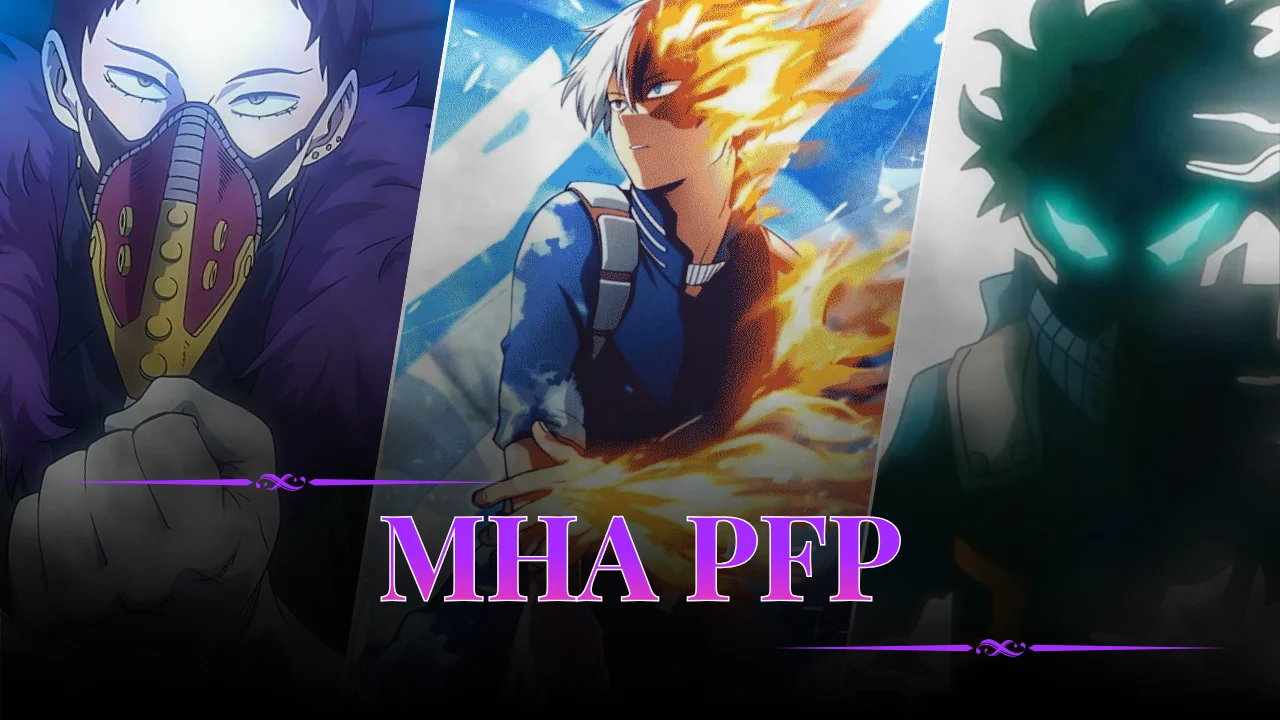
Anime character imagery remains especially adaptable because color, expression, costume, and composition can shift its emotional meaning. An MHA PFP can feel soft, dark, funny, cinematic, or minimalist through careful editing. Clean crops, controlled gradients, negative space, and balanced contrast make these styles relevant to today’s overstimulated visual culture.
Table of Contents
MHA PFP Aesthetic
Soft gradients, clean character crops, and balanced negative space define MHA PFP Aesthetic designs. Hero costumes appear against muted backgrounds. Fine linework stays visible. Blue, green, red, and charcoal tones create controlled contrast. Simple framing keeps familiar characters recognizable in circular displays. Subtle color grading can make familiar artwork feel contemporary and cohesive.
The palette supports character identity without excessive visual noise. Soft gradients create depth around facial expressions. Dark outlines preserve graphic clarity. Costume details add narrative context. Negative space gives the focal point room to breathe. Subtle texture can connect anime artwork with contemporary profile design. The restrained finish also supports a consistent visual identity.
My Hero Academia PFP
Bold character portraits, recognizable costumes, and expressive eyes define My Hero Academia PFP designs. Heroes and villains often appear in close crops. Backgrounds may reference school settings, city scenes, or abstract energy effects. Strong outlines preserve the anime identity at small sizes. Clear character silhouettes also help profiles remain recognizable during fast scrolling.
Character recognition drives much of the visual appeal. Costume colors provide immediate identity cues. Facial expressions establish emotional tone. Energy effects add movement without requiring complex backgrounds. High contrast keeps the focal point distinct. Restrained cropping prevents secondary details from becoming distracting.
MHA Anime PFP
MHA Anime PFP designs emphasize expressive faces, dynamic poses, and crisp anime linework. Bright costume colors contrast with clean backgrounds. Action frames can suggest movement. Portrait crops provide stronger recognition. Soft lighting creates a quieter alternative to battle-focused compositions. Familiar costumes strengthen recognition even when the background is heavily simplified.
Anime linework creates strong visual structure. Large eyes draw attention toward character emotion. Sharp shadows increase dramatic depth. Color blocking separates costumes from backgrounds. Dynamic angles suggest energy even in static images. Simpler scenes allow facial expression to remain the primary focal point.
MHA PFP Cute
Pastel colors, rounded crops, gentle expressions, and simplified backgrounds define MHA PFP Cute designs. Characters may appear in chibi-inspired forms. Pink, cream, pale blue, and lavender soften darker costume colors. Small hearts or stars can add detail without overwhelming the face. Soft facial highlights can further separate the character from pale backgrounds.
Soft treatment changes the emotional reading of familiar characters. Rounded shapes create visual warmth. Pastel gradients reduce harsh contrast. Simplified expressions feel approachable. Small decorative marks create rhythm. Open backgrounds preserve clarity around the character. The result remains recognizable while carrying a gentler mood.
MHA PFP Cool
Sharp crops, dark gradients, confident expressions, and controlled highlights define MHA PFP Cool compositions. Hero costumes often appear against charcoal or deep blue backgrounds. Rim lighting separates faces from shadows. Graphic overlays can add structure without obscuring character details. Neutral accents can keep the design mature without removing its animated character.
Cool styling depends on contrast and restraint. Dark backgrounds make bright costume colors more noticeable. Angular crops suggest confidence and movement. Controlled highlights establish a clear focal point. Minimal overlays prevent the composition from becoming noisy. Strong silhouettes remain readable at small dimensions. The overall mood feels composed rather than chaotic.
MHA PFP Badass
Intense expressions, dramatic shadows, sharp costume details, and action-oriented framing define MHA PFP Badass designs. Characters may be shown during combat scenes. Deep blacks increase depth. Red, orange, and electric blue accents introduce energy. Tight crops emphasize eyes and facial tension. Controlled motion effects can suggest action while keeping facial features dominant.
The emotional effect comes from controlled visual pressure. Strong shadows create seriousness. Angular composition suggests motion. Bright accents guide attention toward the face. Detailed costumes add narrative weight. High tonal contrast separates the character from darker backgrounds. Restrained effects keep the action readable rather than chaotic.
MHA PFP Funny
Exaggerated expressions, awkward frames, playful edits, and unexpected character reactions define MHA PFP Funny designs. Familiar heroes may appear confused, embarrassed, or dramatically surprised. Bright backgrounds support the lighter tone. Simple compositions keep the joke immediately readable. Meme-style crops often focus tightly on the face. Slightly unusual framing can make a familiar reaction feel more distinctive.
Humor depends on contrast between character identity and expression. Serious costumes become comic when paired with unusual reactions. Enlarged eyes increase visual absurdity. Sparse backgrounds keep attention on the joke. Cropped poses can create unexpected context. Familiar characters reduce the effort needed to understand the reference.
MHA PFP Dark
Black backgrounds, subdued colors, heavy shadows, and intense expressions define MHA PFP Dark compositions. Villains and conflicted heroes often suit this treatment. Red and violet accents can create tension. Grainy textures add depth. Minimal scenery leaves the character isolated within the frame. Subdued highlights can preserve facial detail while maintaining the darker atmosphere.
Dark palettes alter familiar character imagery through tonal contrast. Deep shadows create mystery. Muted colors reduce visual warmth. Bright eyes become stronger focal points against black backgrounds. Sparse compositions increase emotional distance. Rough textures suggest conflict or psychological weight. Controlled red accents can imply danger without dominating the image.
MHA PFP Manga
Black ink, white space, screen tones, and expressive linework define MHA PFP Manga designs. Character panels can preserve original framing. Halftone textures add visual depth. Speech bubbles may appear in selective compositions. Monochrome treatment gives the avatar a graphic and editorial character. Selective cropping can emphasize one panel without creating a crowded miniature scene.
Manga styling emphasizes structure over color. Ink density controls visual hierarchy. White space creates breathing room around faces. Halftone patterns add tactile texture. Panel borders provide natural framing. Expressive linework preserves emotion without relying on color. The result often feels more archival than digitally polished.
MHA PFP HD
MHA PFP HD designs emphasize crisp facial details, clean costume lines, and high-resolution anime artwork. Sharp eyes remain visible. Hair strands retain definition. Background gradients appear smoother. Controlled lighting creates depth without introducing unnecessary visual clutter. Centered portraits usually perform well in profile circles. Facial details should support recognition rather than compete with the main expression.
High resolution matters because small avatars depend on clear edges. Fine details become useful when they support recognition. Excessive texture can still disappear after resizing. Smooth gradients reduce visible compression artifacts. Strong facial contrast preserves expression. Balanced cropping keeps important costume elements within the frame. Clarity remains more valuable than sheer detail.
MHA PFP 4K
MHA PFP 4K compositions feature highly detailed anime artwork, crisp textures, vivid costume colors, and precise lighting. Facial features remain sharply defined. Background effects can include sparks, smoke, or soft gradients. Clean framing keeps the high-resolution artwork focused on the character. Resolution helps most when composition and focal hierarchy remain carefully controlled.
4K detail creates more visual information than a profile circle can display. Strong composition therefore becomes essential. Sharp eyes provide the strongest focal point. Costume textures add depth when visible. Smooth lighting separates foreground and background. Excessive effects can reduce clarity after compression. Careful cropping preserves the most meaningful details.
MHA PFP Wallpaper
MHA PFP Wallpaper designs adapt wider anime scenes into compact profile compositions. City backgrounds, hero battles, glowing skies, and colorful effects provide visual context. Strong focal subjects remain central. Cropping removes peripheral details. Gradient overlays can connect the scene with the avatar’s circular boundary. Environmental colors can be sampled to create a cohesive profile palette.
Wallpaper imagery contains more environmental information than standard portraits. Careful cropping determines what survives at small scale. Bright effects can guide attention toward the character. Background depth creates a cinematic feeling. Negative space prevents competing elements from crowding the face. Strong silhouettes remain necessary for recognition.
MHA Villain PFP
Dark shadows, intense expressions, muted backgrounds, and distinctive costume details define MHA Villain PFP designs. Characters may appear in close-up portraits or dramatic action frames. Red, purple, black, and deep blue tones often dominate. Sparse backgrounds emphasize facial expression and silhouette. Strong silhouettes help maintain character identity when the avatar is heavily reduced.
Villain imagery creates emotional tension through controlled darkness. Sharp eyes become strong focal points. Muted colors reduce visual warmth. Deep shadows suggest secrecy or conflict. Rough textures can imply psychological instability. Dramatic lighting gives the portrait narrative weight. The composition feels more confrontational than playful.
MHA Hero PFP
Bright costume colors, confident expressions, clean lighting, and centered portraits define MHA Hero PFP designs. Hero costumes create strong blocks of color. Blue, red, green, and yellow accents can separate characters from neutral backgrounds. Subtle glow effects add depth while preserving facial clarity. Costume colors can also coordinate naturally with profile banners and social graphics.
Hero imagery communicates energy through color and posture. Upright poses suggest confidence. Bright highlights create visual optimism. Clean outlines preserve the anime structure. Controlled backgrounds keep costume colors distinct. Facial expressions establish personality without additional text. Balanced framing makes the character suitable for small circular displays.
MHA PFP Ideas
MHA PFP Ideas can range from clean character portraits to manga panels, funny reactions, seasonal edits, and darker compositions. Bright backgrounds create a lighter identity. Monochrome crops feel more restrained. Action frames suggest energy. Minimal portraits emphasize facial expression. Each approach changes how the same fandom identity is perceived.
Strong ideas usually begin with one clear visual principle. Character recognition should remain immediate. Color can establish mood before expression is noticed. Cropping controls which details become important. Texture can suggest nostalgia or modern polish. Negative space prevents competing elements from weakening the focal point. Consistent framing gives varied concepts a shared structure.
How To Choose The Right MHA PFP
- Match brightness and contrast with the platform’s light or dark interface.
- Choose centered crops that keep the character’s face clearly recognizable.
- Align the mood with personality, content themes, and community expectations.
- Maintain consistent colors across social platforms for stronger visual identity.
- Avoid excessive details that disappear when avatars are resized.
- Match the avatar’s tone with the username and bio style.
- Use stronger contrast when visibility on gaming platforms matters.
- Keep character selection consistent with the overall fandom identity.
FAQs
Why do minimal PFP styles look more professional?
Minimal PFPs usually remain clear at small sizes and establish a stronger visual hierarchy. Controlled colors, clean cropping, and limited decoration can make an account appear more intentional.
Are stylized avatars appropriate for professional social platforms?
Stylized avatars can work professionally when the composition remains clean and relevant to the account. A restrained anime avatar is generally easier to integrate than a heavily distorted meme image.
Can a specific PFP style affect engagement?
Profile imagery can influence recognition and the emotional tone associated with an account. An MHA PFP may improve visual memorability, although engagement depends on many factors beyond the avatar.
Should a PFP match the account’s content theme?
A consistent relationship between the avatar and content can make an account feel more curated. Anime, gaming, lifestyle, or fandom-focused content can each support different visual treatments.
How often should a profile picture be changed?
There is no fixed schedule for changing an avatar. Seasonal updates, major content changes, or shifts in visual identity provide natural reasons for a new image.
Conclusion
A well-designed MHA PFP turns familiar anime artwork into a compact identity marker. Calm palettes, balanced composition, controlled contrast, and intentional moods allow character imagery to work across Discord, Instagram, TikTok, Pinterest, and gaming communities. The same series can support cute, dark, funny, cinematic, manga, and minimalist visual directions.
Minimal tones and recognizable forms tend to age well because they remain readable as platform interfaces change. Exploring hero, villain, manga, cute, dark, and aesthetic categories can gradually refine a profile’s visual language. With thoughtful cropping and consistent styling, an MHA PFP can create a recognizable, polished, and visually aligned online profile.