
A Lucki PFP can turn a small profile image into a recognizable visual statement. Online identity increasingly begins with profile pictures rather than written introductions. PFPs have evolved from simple headshots into visual signals of taste, mood, personality, and belonging. Composition and color now carry meaning within digital communities.
On Discord, TikTok, Instagram, and gaming platforms, avatars have become part of everyday visual identity. Profile images appear beside usernames, comments, messages, and community posts. Their visual tone can communicate personality before any message is read. Consistent avatar choices can also connect music interests, social feeds, chats, and online communities.
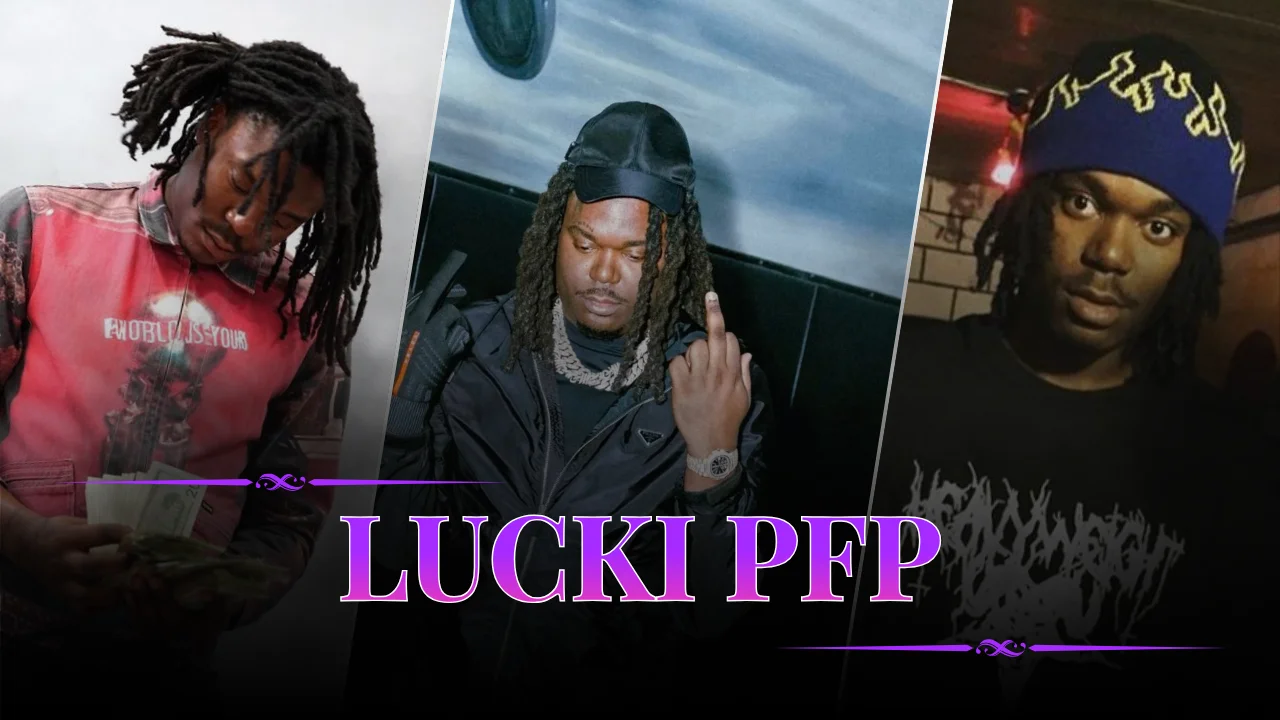
Muted colors, dark photography, grain, low lighting, and restrained compositions fit today’s visually crowded culture. These qualities create space around the subject rather than competing for attention. A Lucki PFP naturally extends into aesthetic, dark, sad, emo, grunge, black-and-white, and fanart styles, giving the imagery a distinct musical and visual identity.
Table of Contents
- Lucki PFP Aesthetic
- Lucki PFP Rapper
- Lucki PFP Cool
- Lucki PFP Dark
- Lucki PFP Sad
- Lucki PFP Emo
- Lucki PFP Grunge
- Lucki PFP HD
- Lucki PFP 4K
- Lucki PFP Wallpaper
- Lucki PFP Icon
- Lucki PFP Discord
- Lucki PFP for Instagram
- Lucki PFP Black and White
- Lucki Profile Picture
- Lucki Avatar
- Lucki Fanart PFP
- Lucki Edit PFP
- Lucki Matching PFP
- How To Choose The Right Lucki PFP
- FAQs
- Conclusion
Lucki PFP Aesthetic
Lucki PFP Aesthetic designs often use muted colors, low-key lighting, subtle grain, and tightly framed portraits. Dark gray, faded green, black, beige, and desaturated blue can create an understated visual palette around the subject.
Muted colors reduce visual intensity. Grain introduces a tactile photographic quality. Soft shadows create emotional depth. Tight framing keeps attention on the face. Low saturation supports a restrained mood. The overall composition can feel introspective without becoming visually complicated.
Lucki PFP Rapper
Lucki PFP Rapper designs focus directly on photographic portraits of the artist. Close crops, stage photographs, candid moments, and editorial images provide recognizable compositions while preserving the visual character associated with rap photography.
Portrait framing establishes an immediate focal point. Natural expressions create authenticity. Dark clothing reinforces the understated palette. Background blur separates the subject. Moderate contrast preserves facial detail. Photographic texture adds realism without unnecessary decoration.
Lucki PFP Cool
Lucki PFP Cool designs favor confident expressions, clean crops, dark clothing, subtle highlights, and editorial photography. The compositions are usually simple, with the subject carrying most of the visual weight.
Strong cropping creates visual confidence. Controlled lighting gives the portrait definition. Dark clothing supports tonal consistency. Minimal backgrounds prevent distractions. Neutral expressions create a composed appearance. Subtle contrast keeps the image contemporary.
Lucki PFP Dark
Lucki PFP Dark designs emphasize shadows, black clothing, low exposure, and deep tonal contrast. The face may remain partially illuminated while the surrounding background fades into near-black.
Dark backgrounds create immediate separation. Partial lighting introduces mystery. Heavy shadows reduce visual information. Black clothing reinforces the palette. Small highlights direct attention toward facial features. Limited colors create a controlled atmosphere.
Lucki PFP Sad
Lucki PFP Sad designs use subdued expressions, dim lighting, muted colors, and spacious compositions. Soft shadows and desaturated backgrounds emphasize emotional restraint rather than dramatic visual effects.
Low saturation creates emotional distance. Soft lighting reduces visual aggression. Empty space emphasizes solitude. Neutral expressions suggest introspection. Faded colors create nostalgia. Subtle grain reinforces the photographic mood.
Lucki PFP Emo
Lucki PFP Emo designs combine the artist’s imagery with darker alternative aesthetics. Black clothing, red or purple accents, heavy shadows, grain, and distressed textures can create a more emotionally charged composition.
Dark colors increase visual weight. Red accents introduce tension. Purple creates an alternative association. Distressed textures add imperfection. Heavy shadows deepen the mood. Tight crops increase emotional intensity.
Lucki PFP Grunge
Lucki PFP Grunge designs use film grain, faded colors, scratches, rough textures, dark clothing, and imperfect framing. The visual treatment often resembles scanned photography or an aged print rather than a polished digital portrait.
Film grain introduces analog texture. Scratches create controlled imperfection. Faded colors suggest age. Rough edges create visual tension. Uneven exposure supports the underground character. Simple compositions keep the artist recognizable.
Lucki PFP HD
Lucki PFP HD designs prioritize clear facial detail, sharp photographic resolution, balanced exposure, and clean cropping. High-definition portraits allow subtle expressions, clothing textures, and background details to remain visible.
Sharp detail improves facial recognition. Balanced exposure protects highlights and shadows. Clear edges survive resizing. Natural textures create realism. Moderate contrast prevents harsh digital effects. Clean crops maintain focus.
Lucki PFP 4K
Lucki PFP 4K designs emphasize extremely detailed portrait imagery, clean textures, precise lighting, and high-resolution source material. The strongest compositions maintain simplicity so the additional detail does not become visual clutter.
Fine textures become more visible at high resolution. Skin and clothing details create realism. Sharp edges improve definition. Controlled lighting preserves depth. Dark backgrounds isolate the subject. Minimal composition prevents excessive information.
Lucki PFP Wallpaper
Lucki PFP Wallpaper designs combine portrait imagery with wider compositions, atmospheric backgrounds, typography, and intentional negative space. The portrait may occupy one side while the remaining area contains blurred scenery, texture, or graphic elements.
Negative space creates compositional balance. Wide framing adds cinematic depth. Blurred backgrounds separate the subject. Typography can establish musical context. Dark gradients create continuity. Strong focal placement keeps the portrait recognizable.
Lucki PFP Icon
Lucki PFP Icon designs simplify photographic imagery into a compact visual symbol. Strong facial crops, silhouettes, illustrated details, and limited colors make the image readable even when displayed at a small size.
Simplification removes unnecessary detail. Strong contrast protects the focal point. Tight cropping emphasizes recognition. Limited colors improve visual clarity. Bold edges survive compression. Centered framing works well with circular displays.
Lucki PFP Discord
Lucki PFP Discord designs prioritize visibility, centered framing, and strong contrast. Close-up portraits, dark backgrounds, and minimal graphic elements help the avatar remain recognizable in server lists and message threads.
Circular cropping favors centered subjects. Strong contrast separates the face from the background. Dark palettes work naturally with Discord’s interface. Minimal decoration prevents visual clutter. Facial expressions provide immediate personality. Clean edges remain visible at small sizes.
These avatars suit music servers, rap communities, friend groups, gaming servers, and fan communities. They can establish a clear musical identity without requiring text. Discord users may match the avatar with a dark banner. Music communities can use related artist imagery across roles or channels. Gaming users can combine Lucki portraits with understated usernames. Minimal compositions remain effective when avatars appear repeatedly throughout conversations.
Lucki PFP for Instagram
Lucki PFP for Instagram designs favor polished portraits, clean circular crops, muted palettes, and enough contrast to remain recognizable beside Stories and posts. Editorial photographs and close-up portraits are especially adaptable.
Circular framing makes facial placement important. Moderate contrast preserves expression. Muted colors complement photographic feeds. Soft backgrounds reduce distraction. Clean edges improve thumbnail clarity. Consistent tones strengthen profile branding.
Lucki PFP Black and White
Lucki PFP Black and White designs remove color and emphasize contrast, facial expression, texture, and photographic composition. Black, white, and gray create a restrained visual language with strong editorial associations.
Monochrome removes competing color relationships. High contrast creates visual hierarchy. Gray preserves subtle detail. Shadows become more expressive. Film grain adds photographic character. Simplified palettes often create a timeless appearance.
Lucki Profile Picture
Lucki Profile Picture designs focus on direct recognition and simple composition. A centered face, neutral background, controlled lighting, and modest contrast can create a profile image that remains visually clear across platforms.
Centered framing establishes immediate focus. Clean backgrounds remove distractions. Balanced exposure preserves facial detail. Moderate contrast supports small displays. Natural expressions create authenticity. Minimal styling allows the artist to remain the dominant visual element.
Lucki Avatar
Lucki Avatar designs reinterpret photographic imagery through illustration, graphic treatment, simplified shapes, or digital effects. The goal is recognition without depending entirely on realistic photography.
Simplified shapes improve scalability. Stylized edges create individuality. Limited colors maintain visual consistency. Graphic shadows add depth. Strong silhouettes improve recognition. Digital textures distinguish the artwork from standard portraits.
Lucki Fanart PFP
Lucki Fanart PFP designs reinterpret the artist through illustration, digital painting, sketch textures, or stylized graphic artwork. Different artists can emphasize facial expression, clothing, atmosphere, or album-inspired symbolism.
Illustration introduces personal interpretation. Brush textures create artistic depth. Simplified forms improve avatar readability. Color choices can reference music eras. Expressive details create personality. Distinct artistic techniques make each image visually individual.
Lucki Edit PFP
Lucki Edit PFP designs use digital overlays, color grading, typography, blur, grain, light leaks, and layered photography. The source portrait remains recognizable while graphic treatment changes its emotional and visual context.
Color grading establishes mood quickly. Grain creates analog texture. Blur can soften backgrounds. Typography introduces editorial structure. Light leaks add movement. Layering creates depth without requiring complex scenery.
Lucki Matching PFP
Lucki Matching PFP designs use paired portraits, mirrored crops, complementary colors, or related visual treatments. The images remain distinct while sharing enough structure to communicate a connection.
Matching compositions establish continuity. Mirrored framing reinforces the relationship. Similar color grading creates harmony. Different expressions preserve individuality. Consistent textures unify the pair. Strong crops ensure both avatars remain readable.
How To Choose The Right Lucki PFP
- Match brightness and contrast with the platform’s light or dark interface.
- Choose centered portraits that survive small circular profile-picture cropping.
- Align the image mood with the account’s musical and visual identity.
- Keep colors consistent across Discord, Instagram, TikTok, and gaming profiles.
- Avoid excessive editing that makes facial details difficult to recognize.
- Match avatar styling with the username, banner, and bio tone.
- Choose high-contrast crops when the PFP appears extremely small.
- Use matching imagery when shared profiles need a connected visual identity.
FAQs
Why do minimal or specific-style PFPs look professional?
Minimal PFPs use controlled composition, clear focal points, and limited visual noise. Specific visual styles can also make profiles appear intentional and consistently branded.
Is a Lucki-style PFP suitable for every platform?
Artist-based avatars can work across Discord, Instagram, TikTok, Pinterest, and gaming profiles when the crop remains clear. Centered faces and strong contrast generally perform best at small sizes.
Can a specific PFP style affect engagement?
A recognizable avatar can improve visual recall among people who share similar interests. Engagement itself depends more heavily on content quality, interaction, and community participation.
Should a profile picture match the account’s content?
Matching the avatar with music, gaming, fashion, or aesthetic content creates stronger visual consistency. Related colors and imagery can also make a profile feel more deliberately curated.
How often should profile pictures be changed?
There is no universal schedule for changing an avatar. Changes in musical interests, visual themes, communities, or profile branding can provide natural reasons for an update.
Conclusion
A Lucki PFP combines artist recognition with the visual language of underground music culture. Dark palettes, grain, monochrome photography, balanced cropping, and intentional mood can transform a small portrait into a strong identity marker. These approaches remain versatile across Discord, Instagram, TikTok, Pinterest, gaming communities, and music-focused spaces.
Minimal tones and restrained photographic treatments tend to age well as online aesthetics change. Exploring aesthetic, dark, sad, emo, grunge, fanart, edit, and matching categories allows different interpretations of the same visual identity. A carefully chosen Lucki PFP can remain recognizable, polished, and visually aligned across platforms.