
Online identity often begins with a single profile picture. PFPs have evolved beyond simple headshots into visual signals of taste, mood, interests, and belonging. A small image can establish an atmosphere before a profile description is even read. Composition, color, and subject choice now carry much of that first impression.
Across Discord, TikTok, Instagram, and gaming communities, avatars have become part of everyday visual branding. Profile images communicate personality before a message appears. Anime characters, illustrations, symbols, and carefully cropped scenes can establish recognizable identities across multiple spaces. This makes avatar selection closely connected with digital self-expression and community culture.
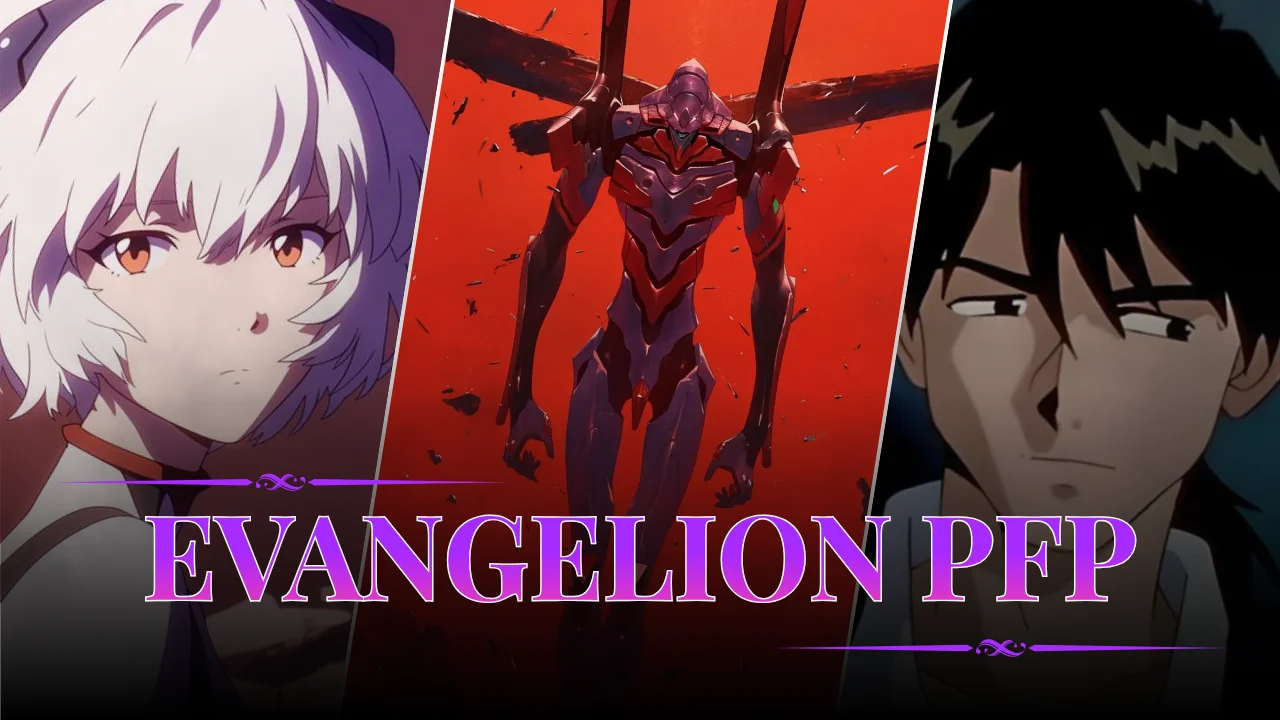
Within anime culture, Evangelion PFP designs combine character expression with distinctive visual tension. Dark shadows, muted colors, dramatic framing, and quiet negative space suit today’s crowded visual feeds. An Evangelion PFP can move between soft, melancholic, intense, and minimalist styles while remaining recognizable. These qualities connect naturally with anime, manga, alternative, and nostalgic aesthetics.
Table of Contents
- Evangelion PFP Aesthetic
- Evangelion PFP Anime
- Evangelion PFP Cute
- Evangelion PFP Cool
- Evangelion PFP Sad
- Evangelion PFP Dark
- Evangelion PFP Scary
- Evangelion PFP Emotional
- Evangelion PFP Depressed
- Evangelion PFP Manga
- Evangelion PFP HD
- Evangelion PFP 4K
- Evangelion Couple PFP
- Evangelion PFP For Discord
- Evangelion PFP For Instagram
- Evangelion PFP Shinji
- How To Choose The Right Evangelion PFP
- FAQs
- Conclusion
Evangelion PFP Aesthetic
Muted colors, atmospheric lighting, and restrained compositions define the Evangelion PFP Aesthetic. Pale blues, dusty reds, gray backgrounds, and deep shadows often frame recognizable characters. Cropped faces and quiet scenes create strong focal points without filling every part of the square image.
The palette creates controlled visual tension. Soft gradients balance darker shadows. Sparse backgrounds leave room for facial expression. Red accents can introduce symbolic contrast. Blue-gray tones create distance and introspection. Subtle grain can add a nostalgic anime texture. These elements make the composition feel deliberate without becoming visually crowded.
Evangelion PFP Anime
Evangelion PFP Anime designs focus on recognizable characters, expressive faces, and cinematic anime framing. Shinji, Rei, Asuka, and other familiar figures often appear in close crops. Clean facial details remain important because circular profile displays reduce the available visual area considerably.
Character expression becomes the primary emotional signal. Neutral eyes can create introspection. Side profiles suggest distance. Strong highlights emphasize facial structure. Backgrounds remain secondary to the subject. Familiar character designs improve recognition within fandom spaces. Controlled cropping keeps the image readable at small sizes.
Evangelion PFP Cute
Evangelion PFP Cute designs soften the franchise’s heavier atmosphere through pastel colors, gentle expressions, and simplified compositions. Pink, cream, lavender, and pale blue can replace darker backgrounds. Rounded framing and smaller facial details create a lighter interpretation of familiar characters and scenes.
Soft colors change the emotional reading of the imagery. Pastel backgrounds reduce intensity. Rounded shapes create visual warmth. Gentle expressions suggest approachability. Light gradients prevent the palette from feeling flat. Small decorative details can support the character without competing for attention. The result balances fandom recognition with a softer visual language.
Evangelion PFP Cool
Evangelion PFP Cool designs emphasize sharp framing, strong expressions, and controlled contrast. Dark blue, charcoal, crimson, and metallic tones often create a more assertive visual identity. Close crops and angular compositions give familiar characters a graphic quality that remains readable at small dimensions.
Contrast establishes visual authority without excessive detail. Deep shadows strengthen facial structure. Bright highlights create focal points around eyes and hair. Angular framing adds movement. Limited color palettes prevent competing accents. Strong silhouettes improve recognition. These choices produce a confident appearance while retaining the distinctive visual language of the anime.
Evangelion PFP Sad
Evangelion PFP Sad designs rely on subdued colors, lowered lighting, and reflective character expressions. Blue-gray backgrounds and desaturated skin tones create emotional distance. Faces are often shown in close crops, while empty surrounding space gives the composition a quieter visual rhythm.
Emotional weight comes from restraint. Desaturation reduces visual energy. Soft shadows create psychological depth. Downward gazes suggest introspection. Empty backgrounds emphasize isolation. Gentle highlights preserve facial detail. These choices allow sadness to remain present without relying on exaggerated expressions or decorative effects.
Evangelion PFP Dark
Evangelion PFP Dark compositions use deep blacks, muted reds, charcoal tones, and low-key lighting. Characters often appear partially concealed by shadow. High contrast around the face or eyes creates a focused composition. Minimal backgrounds make the central subject appear isolated within the square frame.
Dark palettes create a sense of visual depth. Black areas increase negative space. Red accents introduce controlled tension. Sharp highlights guide attention toward facial details. Heavy shadows make expressions more ambiguous. Limited color variation prevents the image from becoming chaotic. The result feels cinematic while retaining clear character recognition.
Evangelion PFP Scary
Evangelion PFP Scary designs emphasize unsettling expressions, distorted framing, and unusual lighting. Dark reds, black backgrounds, harsh highlights, and obscured facial details create an uneasy atmosphere. Abstract shapes can surround familiar characters while preserving enough structure for immediate recognition.
Fear often develops through visual uncertainty. Partial shadows hide important details. Abrupt contrast disrupts visual calm. Red highlights suggest tension. Distorted proportions can create discomfort. Empty space increases anticipation. Small irregular textures add an imperfect quality that supports the unsettling tone without overwhelming the character.
Evangelion PFP Emotional
Evangelion PFP Emotional designs place character expression at the center of the composition. Close facial crops, reflective eyes, muted backgrounds, and soft directional lighting create an intimate visual language. Background elements remain subtle so emotional cues stay visually dominant.
Expression carries much of the meaning. Eye direction can imply uncertainty. Gentle shadows suggest vulnerability. Soft colors reduce visual aggression. Small highlights bring attention to the face. Empty space supports introspection. These details create emotional depth while maintaining a clean profile-picture structure.
Evangelion PFP Depressed
Evangelion PFP Depressed designs typically use desaturated blues, gray shadows, isolated framing, and restrained expressions. Characters may appear alone against sparse backgrounds. Low lighting and wide negative space reinforce a feeling of emotional distance without requiring dramatic visual effects.
Desaturation lowers the visual temperature. Empty backgrounds emphasize separation. Soft shadows reduce facial intensity. Downcast expressions create a reflective reading. Blue-gray tones suggest stillness. Minimal details prevent the emotional message from becoming visually exaggerated. The composition therefore depends more on atmosphere than decoration.
Evangelion PFP Manga
Evangelion PFP Manga designs draw from panel composition, ink textures, monochrome shading, and hand-drawn linework. Black-and-white imagery creates strong contrast around recognizable faces. Cropped panels can preserve the graphic structure of manga while fitting naturally into a square avatar.
Line weight becomes an important visual feature. Dense shadows create depth. White space separates facial details. Ink textures add physical character. Panel borders can establish structure. Monochrome tones remove competing colors. These elements make the image feel editorial and graphic while preserving the identity of the source material.
Evangelion PFP HD
Evangelion PFP HD designs prioritize crisp details, clean edges, and balanced tonal contrast. Facial features remain sharply defined while backgrounds stay controlled. High-resolution artwork can reveal hair strands, fabric textures, mechanical details, and subtle lighting without making the profile image visually crowded.
Resolution supports clarity, but composition remains more important. Sharp edges improve small-scale recognition. Controlled contrast preserves facial structure. Fine textures add depth when viewed larger. Clean backgrounds protect the focal point. Moderate detail prevents compression from turning the image into visual noise. These principles keep high-resolution artwork functional as an avatar.
Evangelion PFP 4K
Evangelion PFP 4K artwork emphasizes fine rendering, precise edges, cinematic lighting, and detailed character textures. Hair, clothing, mechanical surfaces, and environmental elements can remain visibly defined. Strong cropping is still necessary because profile displays reduce large images to very small dimensions.
High resolution allows subtle tonal transitions to remain smooth. Fine textures create depth when the image is viewed larger. Bright highlights can separate facial features from dark backgrounds. Detailed environments add context without dominating the subject. Careful cropping preserves the strongest visual information. Resolution therefore works best when paired with disciplined composition.
Evangelion Couple PFP
Evangelion Couple PFP designs use coordinated character portraits, matching colors, and complementary compositions. Two images may share a background treatment or connect through mirrored framing. Character placement becomes important because each avatar should remain recognizable while still forming part of a visual pair.
Symmetry creates the strongest connection. Matching colors establish continuity. Mirrored poses create visual balance. Shared lighting makes separate images feel related. Different expressions can add personality while preserving cohesion. Simple backgrounds prevent the pair from becoming visually disconnected. The concept therefore depends on coordination rather than identical artwork.
Evangelion PFP For Discord
Evangelion PFP For Discord designs should prioritize strong central subjects, readable faces, and compositions that survive circular cropping. Dark backgrounds often complement Discord’s interface. Character portraits, simple symbols, and limited color palettes remain especially effective when displayed beside usernames.
Small-scale readability shapes the design. Large facial features remain recognizable. Strong contrast separates the subject from the background. Empty corners prevent important details from being clipped. Dark palettes integrate naturally with the interface. Simple compositions reduce visual competition. These choices keep the avatar identifiable in busy server environments.
Evangelion PFP For Instagram
Evangelion PFP For Instagram designs benefit from clear facial framing, balanced color, and strong readability at small circular sizes. Muted backgrounds can complement editorial feeds, while darker compositions support alternative aesthetics. The profile image should remain visually distinct without competing with the overall feed.
Circular cropping changes how composition is perceived. Central faces remain safer than edge-focused subjects. High contrast protects small details. Simple backgrounds prevent the avatar from appearing muddy. Color consistency can connect the profile image with posts. Controlled saturation keeps the design compatible with many feed styles.
Instagram profiles often use avatars as part of a broader visual system. Anime imagery can signal fandom interests immediately. Coordinated colors create stronger profile continuity. Reels-focused accounts may use more expressive character portraits. Art and photography pages can adopt subtler versions. Consistent framing helps the profile remain recognizable across comments, messages, and feed views.
Evangelion PFP Shinji
Evangelion PFP Shinji designs often emphasize introspective expressions, muted colors, and restrained framing. Blue-gray backgrounds, close facial crops, and soft directional lighting create a reflective appearance. Minimal backgrounds keep attention centered on Shinji’s expression and recognizable character features.
The visual language depends on subtle emotion. Neutral expressions create ambiguity. Soft shadows suggest introspection. Cool colors reinforce distance. Limited contrast keeps the composition quiet. Negative space supports the character’s solitary presence. These choices make Shinji-focused avatars particularly compatible with reflective anime aesthetics.
How To Choose The Right Evangelion PFP
- Match brightness and contrast with the platform’s light or dark interface.
- Choose central compositions that survive circular profile-picture cropping.
- Select expressions that align with the profile’s overall emotional tone.
- Keep colors consistent across avatars, banners, feeds, and usernames.
- Avoid tiny details that disappear when the image is resized.
- Match the avatar’s visual mood with the username and bio style.
- Favor recognizable character features over crowded background elements.
- Consider whether the chosen palette complements existing profile graphics.
FAQs
Why do specific PFP styles look more professional?
Specific styles create stronger visual consistency and communicate intentional design choices. Minimal compositions also remain clearer across small profile displays.
Are stylized anime avatars appropriate for professional platforms?
They can work when the platform and account purpose allow personal visual expression. Simpler character portraits usually appear more restrained than heavily edited designs.
Can a PFP style affect engagement?
Profile images can influence recognition and first impressions, especially in fast-moving social environments. Clear subjects and distinctive compositions may make profiles easier to identify.
Should a profile picture match its content theme?
Visual alignment can make a profile feel more cohesive and intentional. Anime-focused content generally benefits from an avatar that shares related colors, subjects, or visual language.
How often should a profile picture be changed?
There is no fixed schedule because frequency depends on personal branding and content changes. Keeping one recognizable image for longer periods can strengthen visual recognition across communities.
Conclusion
A carefully selected anime avatar can turn a small square into a clear identity marker. Balanced composition, controlled contrast, and intentional mood help an Evangelion-inspired design remain recognizable across Discord, Instagram, TikTok, gaming communities, and fandom spaces. Different visual treatments can communicate softness, melancholy, intensity, or restraint without overwhelming the surrounding profile.
Minimal tones also tend to age well because they rely on composition rather than temporary visual effects. Exploring manga, character, emotional, cute, and darker categories allows personal style to become more defined over time. Across changing platforms and communities, an Evangelion PFP can remain recognizable, polished, and visually aligned.