
A Makima PFP turns a small profile image into a clear visual identity. Profile pictures once centered on simple headshots, but online spaces have changed that role. Avatars now signal taste, mood, interests, and community belonging. A carefully chosen image can communicate character before a profile description is even read.
Discord, TikTok, Instagram, and gaming communities have made visual identity part of everyday interaction. Avatars appear beside messages, comments, streams, and usernames. Their colors and expressions can influence how a profile feels at a glance. This makes profile imagery a quiet form of visual branding across different digital spaces.
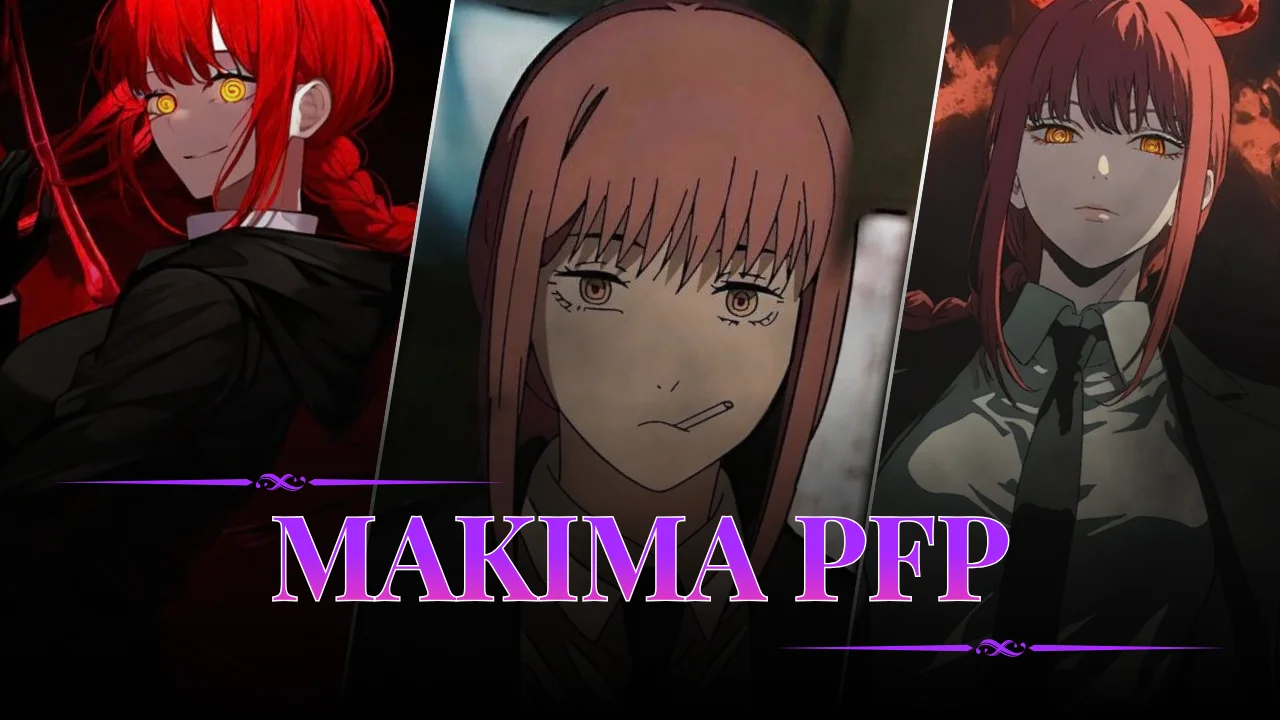
Makima’s controlled expressions, red tones, sharp compositions, and contrasting moods fit this visual culture naturally. Makima PFP styles range from soft anime portraits to monochrome manga panels and darker fanart. The character also works across cute, cool, funny, and minimalist categories without losing her recognizable visual identity.
Table of Contents
- Makima PFP Aesthetic
- Makima PFP for Discord
- Makima PFP for Instagram
- Makima Anime PFP
- Makima PFP Cute
- Makima PFP Funny
- Makima PFP Sad
- Makima PFP Manga
- Makima PFP HD
- Makima PFP 4K
- Makima PFP Black and White
- Makima PFP Cool
- Makima PFP Wallpaper
- Makima Chainsaw Man PFP
- Makima Fanart PFP
- Makima Matching PFP
- How To Choose The Right Makima PFP
- FAQs
- Conclusion
Makima PFP Aesthetic
Soft red lighting, restrained expressions, and clean framing define the Makima PFP Aesthetic. Many images use muted backgrounds with red, black, cream, or warm neutral tones. The compositions often place Makima near the center, allowing facial expression to remain the primary focal point.
Controlled contrast gives these images their distinctive character. Red accents create visual tension against pale backgrounds. Minimal backgrounds keep attention on the eyes and facial structure. Subtle shadows add depth without overwhelming the portrait. The result feels composed rather than visually crowded.
Makima PFP for Discord
Discord avatars appear at very small sizes, so strong silhouettes and recognizable facial features matter. Makima PFP for Discord designs often use close-up portraits, red eyes, dark backgrounds, or simplified anime compositions. Circular cropping can emphasize the face while removing unnecessary background detail.
Small displays reward tonal separation. Dark backgrounds make lighter facial areas more visible. Red accents establish character recognition without requiring a complex composition. Centered framing also protects important details from circular cropping. These choices make the avatar readable beside short usernames and server messages.
Discord anime servers frequently use character avatars as visual identity markers. Makima images can establish a controlled, serious, or mysterious tone in conversations. Gaming profiles can use darker versions that remain visible against dark interfaces. Matching server themes can also influence whether a brighter or monochrome variation feels more coherent.
Makima PFP for Instagram
Instagram favors profile images that remain recognizable within a small circular frame. Makima PFP for Instagram designs often use clean portraits, balanced lighting, and limited background detail. Strong facial framing helps preserve character identity when the image appears beside a username or comment.
Visual simplicity matters because Instagram feeds contain many competing colors. A controlled red-and-black palette creates a consistent focal point. Pale backgrounds produce a softer appearance. Close cropping gives the avatar stronger presence. Minimal backgrounds also reduce distractions around the face.
Anime accounts, fan pages, and personal profiles can use these compositions in different ways. A profile with muted posts may pair well with a darker Makima portrait. Brighter feeds can use softer illustrations with cream or pink tones. Matching the avatar with highlight covers and post colors can create stronger visual continuity.
Makima Anime PFP
Anime portraits emphasize Makima’s recognizable facial structure, hair, eyes, and composed expressions. Makima Anime PFP designs usually retain the clean linework associated with animation while experimenting with lighting and background treatment. Some use official-style frames, while others reinterpret the character through fanart.
Line quality strongly affects the visual tone. Fine outlines create a delicate appearance. Heavier outlines produce a bolder avatar. Warm highlights soften the character’s expression. Deeper shadows create a more dramatic composition. Facial expression remains central because Makima’s restrained demeanor carries much of the character recognition.
Makima PFP Cute
Cute Makima avatars reinterpret the character through softer colors, rounded expressions, and simplified artwork. Makima PFP Cute designs may use pastel backgrounds, chibi proportions, small accessories, or gentle facial expressions. The familiar red hair and character features remain important recognition points.
Soft palettes change the emotional reading of the character. Pink and cream backgrounds create warmth. Rounded shapes reduce visual severity. Smaller facial details create a playful impression. Pastel gradients provide separation without introducing heavy contrast. These choices make the character feel lighter while preserving recognizable elements.
Makima PFP Funny
Funny Makima avatars use exaggerated expressions, unusual crops, memes, or playful edits. Makima PFP Funny designs can transform the character’s normally controlled expression into something deliberately unexpected. Humor often comes from contrast between the character’s serious identity and the altered visual context.
Expression becomes the main design element. Wide eyes can create surprise. Awkward crops can create comedic tension. Simple captions may add another layer without dominating the image. Familiar scenes become more humorous when presented in an unexpected framing. Strong facial recognition helps the joke remain readable.
These avatars are common in casual Discord servers, gaming communities, group chats, and meme-focused profiles. A funny image can make an otherwise serious profile feel more informal. It may also work as a temporary avatar during community events. The visual tone usually pairs better with playful usernames than formal personal branding.
Makima PFP Sad
Sad Makima images emphasize isolation, subdued expressions, shadows, and darker color grading. Makima PFP Sad compositions may use lowered contrast, rain effects, empty backgrounds, or close facial crops. The visual language relies more on atmosphere than dramatic action.
Muted colors create emotional restraint. Blue-gray shadows can contrast with Makima’s red hair. Empty space can suggest distance. Soft blur reduces visual sharpness and creates a reflective mood. A downward gaze or neutral expression can make the composition feel introspective without excessive visual effects.
Makima PFP Manga
Manga panels create a different visual language through black-and-white contrast, linework, and panel framing. Makima PFP Manga images often emphasize original artwork details rather than color. Cropped panels can focus attention on the eyes, face, or distinctive dialogue moments.
Black-and-white compositions depend heavily on tonal balance. Dense linework creates texture. Large white areas provide negative space. Heavy shadows increase dramatic contrast. Halftone patterns introduce a printed quality. Cropping must remain careful because complex manga panels can become unclear at avatar size.
Manga-focused profiles, anime servers, and fan communities commonly use this treatment. It pairs naturally with monochrome usernames, black-and-white feeds, and minimalist layouts. Discord users may favor close-up panels because facial details remain recognizable after circular cropping. The style also fits profiles centered on manga rather than general anime artwork.
Makima PFP HD
HD profile images depend on sharp facial details, clean edges, and balanced image quality. Makima PFP HD designs typically feature crisp anime artwork with controlled lighting and minimal compression artifacts. Clear eyes, hair strands, and linework become more visible when the image is viewed at larger sizes.
High resolution does not require visual complexity. A simple composition can still benefit from clean rendering. Fine hair details add texture. Smooth gradients prevent distracting banding. Sharp outlines improve recognition after resizing. Controlled contrast keeps the face visible without making the image appear harsh.
Makima PFP 4K
4K profile artwork provides additional source detail for cropping and resizing. Makima PFP 4K designs can include highly detailed hair, eyes, clothing textures, and background elements. The extra resolution becomes especially useful when the original artwork may be adapted to different profile dimensions.
Detailed images require careful composition. Excessive background texture can compete with the face. Strong focal placement keeps the character recognizable. Fine gradients add depth without overwhelming the image. High-resolution linework also preserves clarity during resizing. The source image therefore benefits most when detail supports the central subject.
These images suit desktop communities, gaming profiles, digital art pages, and social accounts that prioritize visual quality. A 4K source can be cropped into a smaller avatar without losing as much detail. Different versions can also be prepared for circular and square platforms while maintaining consistent visual identity.
Makima PFP Black and White
Monochrome Makima portraits remove the character’s familiar red palette and rely on grayscale contrast instead. Makima PFP Black and White designs often feature strong shadows, pale highlights, and clean facial framing. The absence of color places greater emphasis on expression and structure.
Black-and-white compositions depend on tonal hierarchy. Deep blacks create visual weight. Bright highlights guide attention toward the face. Gray transitions add depth without introducing color noise. Linework becomes more noticeable. Negative space can make the portrait feel restrained and editorial.
Makima PFP Cool
Cool Makima avatars often combine darker palettes, confident expressions, sharp crops, and cinematic lighting. Makima PFP Cool designs may use deep red, black, gray, or dark purple to create stronger visual contrast. The compositions tend to feel deliberate rather than decorative.
Lighting controls much of the mood. Side lighting creates facial depth. Dark backgrounds isolate the subject. Red highlights reinforce character identity. Strong cropping creates a compact visual statement. Minimal effects often work better than excessive overlays because the character already provides a recognizable focal point.
Makima PFP Wallpaper
Wallpaper-style artwork gives the character more environmental space than a standard avatar. Makima PFP Wallpaper compositions may place her against city scenes, abstract gradients, office interiors, skies, or atmospheric backgrounds. The additional space creates room for stronger visual storytelling.
Wide compositions depend on depth and hierarchy. The character remains the focal point while the background establishes context. Light gradients can separate foreground and background layers. Subtle environmental details create texture. Excessive detail can reduce avatar clarity, so the central crop should remain visually strong.
Makima Chainsaw Man PFP
Makima’s connection to Chainsaw Man gives these avatars a clear fandom context. Makima Chainsaw Man PFP designs may reference official scenes, character artwork, manga panels, or fan-created interpretations. The strongest examples preserve recognizable features while adapting the composition for profile dimensions.
Character recognition depends on familiar visual cues. Red hair remains central. The distinctive eyes provide another strong focal point. Uniform-inspired clothing can reinforce the connection to the series. Manga or anime framing adds contextual recognition. Controlled backgrounds help preserve these details after cropping.
Makima Fanart PFP
Fanart allows artists to reinterpret Makima through different palettes, expressions, clothing, and compositions. Makima Fanart PFP designs can therefore range from painterly portraits to simplified illustrations. Artistic interpretation becomes as important as character recognition.
Brush texture can change the emotional quality of an image. Soft rendering creates a gentle appearance. Sharp digital edges feel more graphic. Painterly shadows introduce depth. Alternate palettes can move away from the original red tones while retaining recognizable facial features. Composition determines how well these artistic choices survive avatar cropping.
Makima Matching PFP
Matching avatars create a visual relationship between two or more profiles. Makima Matching PFP designs may pair Makima with another Chainsaw Man character or divide one composition across multiple images. Symmetry, shared color palettes, and complementary poses help the set feel connected.
Matching designs depend on visual continuity. Similar backgrounds create cohesion. Mirrored poses can suggest a relationship between images. Shared red and black tones make separate avatars feel like parts of one system. Cropping must also be considered because each image needs to remain recognizable independently.
How To Choose The Right Makima PFP
- Match brightness and contrast with the platform’s light or dark interface.
- Choose centered compositions that survive circular profile-picture cropping.
- Select expressions that fit the overall tone of the profile.
- Keep red, black, and neutral tones visually consistent across platforms.
- Avoid tiny details that disappear when the avatar is resized.
- Match the avatar’s mood with the username and bio style.
- Prefer clear facial features over crowded backgrounds for small displays.
- Consider whether the image complements banners, feeds, and server themes.
FAQs
Why do minimalist PFPs look more professional?
Minimalist profile pictures have fewer competing elements, making the main subject easier to recognize. Balanced composition and controlled contrast can also create a more consistent visual identity.
Are anime PFPs appropriate for professional social profiles?
Anime avatars can work when the platform and account purpose support personal or creative expression. More restrained portraits usually create less visual contrast than highly stylized or humorous images.
Can a PFP affect engagement?
Profile images can influence recognition and the visual impression of an account, especially when they remain clear at small sizes. Engagement itself depends on many factors beyond the avatar.
Should a PFP match the content theme?
Visual consistency can make a profile feel more curated and recognizable. Matching colors, subjects, or moods can connect the avatar with banners, posts, and other profile elements.
How often should a profile picture be changed?
There is no fixed schedule because profile-picture changes depend on personal branding and community context. Consistent imagery can support recognition, while occasional changes can reflect a new visual direction.
Conclusion
A Makima PFP can combine controlled color, balanced composition, and recognizable character design within a very small visual space. Anime, manga, monochrome, cute, cool, and fanart variations provide different approaches for Discord, Instagram, TikTok, gaming communities, and fandom spaces.
Minimal tones and deliberate compositions tend to age well because they rely less on temporary visual effects. Different categories can gradually refine a profile’s visual language and create stronger consistency across platforms. With thoughtful cropping and a clear mood, a Makima PFP becomes part of a recognizable, polished, visually aligned profile.